Table of Contents
Urban life moves fast, and your carry should keep up without weighing you down. In 2026, the minimalist backpack has evolved from a simple style statement into a sophisticated tool for navigating city complexity. Whether you’re sprinting for the subway, cycling through rain-slicked streets, or heading straight from your coworking space to dinner, the right backpack disappears on your shoulders while keeping your essentials perfectly organized. This guide cuts through the noise to help you understand what truly matters in a city-ready minimalist pack—no fluff, no filler, just the features that will transform your daily carry into a seamless extension of your urban lifestyle.
The modern city dweller demands more than just good looks. Your backpack needs to be a mobile office, a gym locker, a grocery bag, and a security vault—all while maintaining clean lines and a silhouette that won’t knock over brunch mimosas. As we look toward 2026’s design innovations, we’re seeing a fascinating convergence of sustainability, smart technology, and ergonomic refinement that makes today’s minimalist packs fundamentally different from their predecessors. Let’s explore what defines excellence in this space and how to choose a companion that will serve you through countless city adventures.
Top 10 Minimalist Backpacks For City Living
Detailed Product Reviews
1. Herschel City Backpack

Overview: The Herschel City Backpack is a compact urban carrier designed for light commuters and students. Constructed with new 600D fabric and a tonal stripe liner made from 100% recycled polyester, it balances sustainability with signature Herschel style. The bag accommodates 13-14 inch laptops in its padded floating sleeve while offering essential organization for daily essentials.
What Makes It Stand Out: Herschel’s commitment to sustainable materials shines through the recycled polyester construction, appealing to eco-conscious consumers. The floating laptop sleeve provides superior protection by suspending your device above the bag’s bottom. The expandable water bottle pocket demonstrates thoughtful design flexibility, while the side storage sleeve offers quick access to transit cards or phones without opening the main compartment.
Value for Money: Priced in the mid-range for heritage brand backpacks, the City offers fair value for its build quality and design pedigree. While not cheap, it undercuts premium technical bags while delivering better materials than budget alternatives. The recycled content adds value for environmentally aware buyers without inflating cost significantly.
Strengths and Weaknesses: Strengths include durable recycled materials, excellent laptop protection, comfortable EVA-padded straps, and clean aesthetics. Weaknesses are the limited 13-14 inch laptop capacity, modest overall storage, and lack of advanced weather resistance. The minimalist design may frustrate those needing more organization.
Bottom Line: Ideal for students and urban commuters prioritizing style and sustainability over maximum capacity. A reliable daily driver for light loads.
2. Rangeland Travel Backpack 21L Minimalist Casual Small Carry-on Daypack 15-inch Laptop Notebook, Overnight Weekender Dark Yellow Mustard
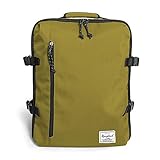
Overview: This flight-approved 21L travel backpack is engineered for minimalist travelers who refuse to check bags. Measuring 12 x 16 x 7 inches, it opens suitcase-style for efficient packing and fits under most airplane seats. The dark yellow mustard colorway adds distinctive style while the rectangular design maximizes every liter of capacity for short trips or daily commutes.
What Makes It Stand Out: The front-loading clamshell opening revolutionizes packing compared to top-loaders, letting you see everything at once. Separate laptop compartment streamlines airport security, while bright interior lining makes items easy to locate. The four compression straps serve dual purposes: stabilizing loads and securing jackets externally. The trolley strap converts it to a hybrid luggage piece for seamless airport navigation.
Value for Money: Exceptional value for frequent flyers seeking airline compliance without sacrificing organization. Comparable travel backpacks cost 30-50% more from premium brands. The versatility—functioning as gym bag, daypack, and weekender—means one purchase replaces multiple bags, amplifying savings.
Strengths and Weaknesses: Strengths include flight-friendly dimensions, brilliant organization, compression straps, and multi-use versatility. Weaknesses: 21L capacity limits longer trips, the mustard color shows dirt, and the rectangular shape may feel rigid for daily use. Not suitable for children under 12 per manufacturer warning.
Bottom Line: Perfect for savvy travelers wanting maximum airline compliance and organization in a minimalist package. An unbeatable travel companion for weekends and short business trips.
3. RAINS Rolltop Rucksack Large - Waterproof Rolltop Backpack Water Resistant Commuter Travel Pack Urban Minimalist (Black, Regular)

Overview: The RAINS Rolltop Rucksack delivers uncompromising waterproof performance for urban commuters facing unpredictable weather. Crafted from RAINS’ signature PU fabric, this minimalist black backpack withstands 8000mm water column pressure, making it impervious to heavy downpours. The rolltop closure creates a watertight seal while offering expandable capacity for varying loads.
What Makes It Stand Out: The 8000mm water column rating is exceptional—far exceeding typical water-resistant bags and approaching dry-bag standards. The rolltop design isn’t just aesthetic; it provides true weather protection while allowing height adjustment. RAINS’ minimalist Scandinavian aesthetic transitions seamlessly from bike commute to office, making it as stylish as it is functional. The welded construction eliminates needle holes where water typically seeps through.
Value for Money: Premium pricing is justified by genuine waterproofing rather than mere water resistance. While costing more than standard commuter bags, it eliminates the need for rain covers and protects expensive electronics reliably. For cyclists and walkers in wet climates, the investment prevents costly device replacements.
Strengths and Weaknesses: Strengths include superior waterproofing, minimalist design, expandable capacity, and durable PU fabric. Weaknesses: rolltop access is slower than zippers, interior organization is limited, and the price premium may deter casual users. The black color shows scratches on PU material over time.
Bottom Line: Essential gear for commuters in rainy regions who prioritize dry contents above all else. A stylish, watertight fortress for your daily carry.
4. City Icon Backpack
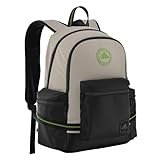
Overview: The City Icon Backpack positions itself as a durable workhorse built for longevity, backed by a lifetime warranty. Designed for professionals and students needing reliable daily transport, it features a wipe-able exterior for easy maintenance and accommodates up to 16-inch laptops. Multiple zippered pockets provide straightforward organization without overcomplicating the design.
What Makes It Stand Out: The lifetime warranty immediately distinguishes it from competitors offering limited warranties, signaling manufacturer confidence in durability. The wipe-able material addresses a common pain point—keeping bags clean in urban environments. The 16-inch laptop sleeve exceeds many bags in this class, accommodating larger workstations. Zig-zag stitched webbing on the haul handle provides noticeable reinforcement where bags typically fail first.
Value for Money: Strong value proposition given the lifetime warranty, which essentially amortizes the cost over decades of use. While initial price may match mid-tier bags, the replacement guarantee eliminates future upgrade costs. Comparable bags with similar warranties often cost significantly more from premium outdoor brands.
Strengths and Weaknesses: Strengths include lifetime warranty, large laptop capacity, reinforced handles, easy-clean material, and ample pocket variety. Weaknesses: limited brand recognition, basic aesthetic lacks fashion appeal, and material specifications are vague. The design prioritizes function over form, which may not suit style-conscious buyers.
Bottom Line: A pragmatic choice for value-driven buyers seeking a no-nonsense backpack guaranteed for life. Functionality and durability trump fashion here.
5. VASCHY School Backpack, Unisex Slim Lightweight Water-resistant Minimalist Backpack for Men Women College Schoolbag Travel Bookbag Green

Overview: The VASCHY School Backpack offers a slim, lightweight profile in an eye-catching green colorway, targeting students and professionals seeking minimalist water resistance. Made from durable polyester, this 23-liter pack balances capacity with a sleek silhouette measuring 18.9" x 12.6" x 5.9". Its unisex design and multiple pockets make it versatile for various users.
What Makes It Stand Out: The remarkably slim 5.9-inch depth maintains a low profile while still offering 23 liters of capacity—an impressive engineering feat. The four interior zipper pockets provide exceptional organization rarely seen in minimalist bags. Leather zipper pulls and SBS zippers deliver premium tactile experience at a budget-friendly price point. The water-resistant treatment offers practical protection for daily commutes without adding weight.
Value for Money: Outstanding value for budget-conscious buyers wanting premium features. The combination of leather details, quality zippers, water resistance, and slim design typically commands double the price. It competes with bags costing $80-100 while delivering comparable functionality and better aesthetics than most budget options.
Strengths and Weaknesses: Strengths include slim profile, generous capacity, excellent internal organization, water resistance, and premium hardware. Weaknesses: school-focused marketing may deter professionals, polyester durability concerns for heavy loads, and the green color may not suit all wardrobes. Laptop sleeve dimensions are square (11.4x11.4"), potentially limiting fit.
Bottom Line: An exceptional budget pick for students and commuters wanting slim design and surprising organization without breaking the bank. Style and function exceed price point.
6. Bric’s X-Travel City Backpack 13 Inch, Lightweight Designer Daypack with Leather Trim, Large Compartments, Padded Straps and Trolley Sleeve for Everyday or Travel Use - Olive

Overview: The Bric’s X-Travel City Backpack brings 70 years of Italian craftsmanship to your daily commute. This 13-inch olive daypack combines durable nylon with full-grain leather trim, positioning itself as a luxury everyday carry solution for discerning professionals. Designed for urban navigation and spontaneous travel, it balances heritage aesthetics with modern functionality.
What Makes It Stand Out: This backpack distinguishes itself through its prestigious lineage—Bric’s is a family-owned Italian brand renowned for hand-crafted luggage and leather goods. The trolley sleeve integration is particularly clever, allowing seamless attachment to rolling luggage, while the leather trim elevates it above typical nylon packs. The breathable construction and padded straps demonstrate thoughtful ergonomics rarely found in fashion-forward bags.
Value for Money: Positioned in the premium tier, this backpack justifies its price through exceptional materials and artisanal construction. While costing significantly more than mass-market alternatives, it competes favorably with other designer brands like Tumi or Knomo. The investment pays dividends in longevity and timeless style that transcends seasonal trends.
Strengths and Weaknesses: Strengths include superior Italian craftsmanship, premium leather accents, versatile trolley sleeve, and sophisticated aesthetics. The 13-inch capacity perfectly fits tablets and small laptops while maintaining a sleek profile. Weaknesses are the limited size unsuitable for bulkier items, premium pricing that may deter budget-conscious buyers, and nylon construction that might disappoint those expecting full leather at this price point.
Bottom Line: Ideal for style-conscious professionals who prioritize quality over capacity. The Bric’s X-Travel excels as a refined urban companion that ages gracefully, making it worth the premium for those who appreciate Italian heritage and understated luxury.
7. WATERFLY Travel Hiking Casual Backpack: 22L Lightweight Everyday Outdoor City Daypack College Bookbag for Women Men

Overview: The WATERFLY 22L backpack positions itself as a versatile workhorse for modern lifestyles. Measuring 16.9" x 12.6" x 6.3", this nylon daypack accommodates 16-inch laptops while serving commuters, students, and weekend adventurers alike. With its multi-purpose design and waterproof fabric, it promises reliable performance across diverse scenarios.
What Makes It Stand Out: This backpack shines through its remarkable organization—10 pockets intelligently distribute everything from laptops to water bottles. The reflective elastic cords add safety for night commuters, while the luggage strap integrates smoothly with rolling suitcases. SBS zippers rated for 10,000 uses demonstrate surprising quality at this price tier, and the one-year after-sales support provides uncommon peace of mind.
Value for Money: Exceptional value defines this offering. It delivers features typically found in $80+ packs—waterproofing, dedicated laptop/tablet compartments, ergonomic padding, and premium zippers—at a fraction of the cost. For budget-conscious buyers, it outperforms basic department store backpacks while undercutting specialized outdoor brands.
Strengths and Weaknesses: Strengths include spacious 22L capacity, waterproof construction, extensive pocket organization, 16-inch laptop compatibility, and reliable warranty support. The ergonomic design suits extended wear. Weaknesses involve less brand prestige than premium competitors, a utilitarian aesthetic that lacks fashion-forward appeal, and a capacity that may prove excessive for minimalists seeking sleek profiles.
Bottom Line: Perfect for students, commuters, and travelers prioritizing function and value. The WATERFLY backpack offers impressive organization and durability without breaking the bank, making it a smart choice for anyone needing a reliable daily carrier.
8. Bomehhjuli Texas Stars State Vinyl Decal Sticker 10 Pieces Traveller Vinyl Decal City Pride Waterproof Sticker Vinyl Minimalist Vinyl Decals for Laptop Skateboard Phone Backpack Luggage 2inch

Overview: This ten-piece decal set celebrates Texas pride through minimalist star and state outline designs. Each 2-inch vinyl sticker offers waterproof durability for personalizing laptops, luggage, skateboards, and phones. Made in the USA, these decals provide an affordable way to express regional identity on everyday items.
What Makes It Stand Out: The Texas-specific theme fills a niche for state pride enthusiasts seeking subtle, minimalist designs rather than flashy graphics. The waterproof vinyl construction with clean-removal adhesive distinguishes it from cheaper paper stickers that leave residue. Being manufactured domestically adds quality assurance often missing in imported decal packs.
Value for Money: Outstanding affordability makes this set a no-brainer for Texas lovers. Comparable to generic sticker multipacks at dollar stores, yet offering superior vinyl quality and state-specific designs. The cost-per-sticker is negligible, providing maximum personalization impact for minimal investment.
Strengths and Weaknesses: Strengths include waterproof durability, clean removal without residue, versatile 2-inch sizing for various surfaces, Made in USA quality, and minimalist aesthetic appeal. The ten-piece count offers good variety. Weaknesses are the exclusive Texas theme limiting broader appeal, small size potentially underwhelming for those wanting bold statements, and basic designs that may lack intricacy for art enthusiasts.
Bottom Line: An excellent purchase for Texans wanting to subtly customize their belongings. These durable, well-made decals deliver exactly what they promise at an unbeatable price, though their niche theme restricts them to state pride devotees.
What Defines a Minimalist Backpack in 2026?
The Philosophy of Urban Minimalism
Minimalism in 2026 isn’t about owning less—it’s about experiencing more with fewer distractions. Urban minimalism specifically addresses the friction points of city living: density, unpredictability, and the constant transition between environments. A true minimalist backpack embraces constraints as creative opportunities. Every zipper, pocket, and strap must justify its existence through daily utility rather than hypothetical scenarios.
This philosophy manifests in designs that prioritize access over storage, quality over quantity, and intention over abundance. The goal is a pack that feels like a natural extension of your body, not a bulky appendage you have to manage. In practice, this means silhouettes that hug your frame, materials that age beautifully rather than falling apart, and organizational systems that reveal themselves gradually through use rather than overwhelming you with options on day one.
Key Design Principles
The most successful minimalist backpacks in 2026 follow three non-negotiable principles: visual compression, functional density, and material honesty. Visual compression means the pack appears smaller than its actual capacity through clever pattern-making and strategic paneling. Functional density refers to maximizing utility per cubic inch—think magnetic closures that double as bottle openers or laptop sleeves that transform into standing desks.
Material honesty has become increasingly important as greenwashing proliferates. Brands now specify not just that they use “recycled materials,” but the exact percentage, source, and end-of-life recyclability. You’ll see QR codes on product tags that trace a fabric’s journey from ocean plastic to finished product. This transparency isn’t just marketing—it’s become a core design principle that influences everything from texture to durability.
Why City Living Demands a Different Kind of Backpack
Navigating Urban Density
City living compresses space and time in ways suburban or rural environments don’t. Your backpack needs to slide between bodies on a packed train, rest comfortably in your lap when seating is scarce, and not protrude into the personal space of others. This requires a vertical orientation rather than horizontal bulk, with tapered profiles that match the human form.
The urban environment also introduces unique hazards: bike chain grease, mystery puddles, crowded bar counters, and security checks at museums or offices. A city-ready minimalist pack anticipates these micro-challenges with features like elevated bottom panels that keep the bag standing upright and away from filthy surfaces, or quick-access top pockets for ID cards that don’t require you to open the main compartment in security lines.
From Commute to Cafe to Gym
The 2026 urban professional rarely follows a linear path from home to office to home. Your day might start with a coffee shop work session, include a midday gym break, involve grocery shopping, and end at a friend’s rooftop gathering. This non-linear lifestyle demands what designers call “adaptive capacity”—the ability to reconfigure internal space on the fly.
Look for packs with removable dividers, expandable collars that add 3-5 liters when needed, and exterior attachment points that can haul a yoga mat or spare shoes without compromising the clean silhouette. The best designs include a “day-to-night” transformation feature, like stowable straps that convert a backpack into a tote for more formal evening settings.
Essential Features for 2026’s Urban Minimalist Backpacks
Smart Compartmentalization
Forget the traditional three-pocket setup. 2026’s organizational systems are inspired by Japanese bento boxes and film camera bags. You’ll find “floating” pockets suspended from the interior walls that create layers of storage without adding bulk. These are perfect for separating clean clothes from worn ones or keeping snacks away from electronics.
The most innovative feature gaining traction is the “gravity pocket”—a weight-responsive compartment that automatically adjusts its position based on what you’re carrying. Load it with heavy items and it sits lower in the pack for stability; fill it with light accessories and it rises for easier access. This dynamic organization eliminates the need to completely repack your bag when your daily essentials change.
Tech-Ready Features
Your backpack is now your mobile charging station, privacy shield, and device sanctuary. Look for dedicated power bank pockets with external charging ports that have moved beyond simple cable pass-throughs. The latest designs feature magnetic alignment guides that ensure your wireless charging pad connects perfectly every time, even while walking.
Faraday pocket integration has become standard rather than a premium add-on. These signal-blocking compartments protect your passport, credit cards, and phone from RFID skimming and unwanted tracking. More advanced models include biometric locks on tech compartments—fingerprint sensors that ensure only you can access your laptop or tablet, adding a critical layer of security in coworking spaces and coffee shops.
Weather Resistance for Unpredictable Cities
Climate volatility means your pack needs to handle surprise downpours, snow squalls, and everything in between. While waterproof zippers remain important, the real innovation is in fabric technology. Look for “phase-change” materials that actively respond to temperature shifts, becoming more breathable when you’re overheated and more water-resistant when precipitation hits.
Seam construction has evolved beyond simple taping. Laser-cut and bonded seams create a continuous surface without needle holes, while “aquaguard” zippers now feature self-healing coatings that close microscopic gaps formed through repeated use. Some premium packs even include integrated sensor strips that change color when moisture penetrates the outer layer, alerting you to reapply DWR treatment before a major failure occurs.
Material Matters: Choosing the Right Fabric
Premium Synthetics vs. Natural Materials
The synthetic vs. natural debate has matured beyond simple environmental posturing. High-density nylon (500D-1000D) remains the workhorse for abrasion resistance, but now features bio-based polymers derived from castor beans rather than petroleum. These maintain the durability you need for daily concrete scraping while reducing carbon footprint by up to 60%.
Natural materials like waxed canvas and leather have been re-engineered for modern performance. “Hybrid canvas” weaves recycled polyester into organic cotton, creating a fabric that develops character like traditional canvas but dries in hours instead of days. Vegetable-tanned leather accents now undergo plasma treatment, making them water-resistant without losing their tactile appeal. The key is matching material properties to your specific urban environment—synthetics for wet climates, hybrids for variable weather, and full naturals for dry, temperate cities.
Durability Metrics That Actually Matter
Thread count alone doesn’t tell the full story. Focus on “cycle testing” data—how many times a fabric can be flexed before fiber breakdown. For city use, look for packs tested to at least 5,000 cycles, which translates to roughly three years of daily flexing from body movement and packing.
Abrasion resistance is measured in Martindale rubs; urban packs should exceed 20,000 rubs on high-wear areas like the base and lower front panel. More importantly, check the “cross-hatch” rating, which measures how fabric performs when scraped diagonally against rough surfaces like brick walls—a common urban hazard that standard testing often misses.
Size and Capacity: Finding Your Urban Sweet Spot
The 15-25 Liter Range Explained
For pure minimalist city living, the 15-25 liter range hits the sweet spot. Below 15 liters, you sacrifice too much versatility—forget about packing lunch, a light jacket, and gym clothes simultaneously. Above 25 liters, the pack becomes too bulky for crowded environments and tempts you to carry unnecessary items.
Within this range, 18-22 liters represents the “goldilocks zone” for most urban professionals. This capacity handles a 14-16 inch laptop, charger, notebook, water bottle, compact umbrella, and a change of clothes while maintaining a slim profile. The key is finding packs that use vertical space intelligently—tall rather than wide—to maximize this capacity without increasing the footprint.
One-Bag Lifestyle Considerations
If you’re committed to true one-bag living—where your backpack serves as your only daily, weekend, and occasional travel bag—consider packs with expandable collars or compression systems. These can stretch to 28-30 liters for weekend trips but compress down to 20 liters for daily carry.
Look for “load-shedding” features like detachable hip belts and sternum straps that you can remove for daily use but attach for longer carries. Internal organization should be modular, with removable pouches that can double as packing cubes for travel. This versatility eliminates the need for multiple bags, the ultimate minimalist win.
Organization Without Clutter: Interior Design Trends
The Rise of Modular Systems
2026’s interior organization has gone modular in sophisticated ways. Rather than fixed pockets, you’ll find magnetic docking stations throughout the main compartment where you can attach purpose-built pouches for different needs. Morning commute? Snap in your tech organizer. Weekend market run? Swap it for a grocery tote insert.
This system extends to exterior pockets too. Some designs feature removable “dash pockets” on the front panel that you can reposition or detach entirely based on your daily needs. The modularity creates a “living” interior that evolves with your routine rather than forcing you to adapt to a static design.
Hidden Pockets and Stealth Storage
The best minimalist packs hide storage in plain sight. Look for “spine pockets” that run along the back panel—these lie completely flat when empty but expand to hold documents, tablets, or even a light jacket. They’re invisible from the outside and inaccessible to anyone but the wearer, making them perfect for valuables.
Another emerging trend is the “floor pocket”—a compartment accessed from the bottom of the pack that’s designed for items you need in specific locations. Store your gym shoes there, and you can grab them without opening the main compartment or exposing your clean clothes to dirt. These pockets often include antimicrobial linings and ventilation grommets that maintain the pack’s sleek exterior.
Comfort and Ergonomics for Daily Carry
Strap Engineering in 2026
Shoulder straps have evolved beyond simple padding. The latest designs feature “dynamic suspension”—internal bungee systems that allow the strap to stretch and rebound as you walk, reducing fatigue by up to 30% compared to static straps. This elasticity also helps the pack absorb shocks from jumping off curbs or navigating uneven sidewalks.
Strap shape has become more anatomical, with S-curves that mirror your clavicle and distribute weight across a broader surface area. Look for “bridge straps” that connect the two shoulder straps across your upper back, preventing the pack from shifting when you’re biking or running for transit. These bridges are typically removable and stow into the back panel when not needed.
Back Panel Innovation
The sweaty back problem has plagued backpack wearers for decades. 2026’s solution involves “active ventilation channels”—raised foam sections shaped like mountain ridges that create airflow corridors while maintaining contact points for stability. Some premium models incorporate phase-change material (PCM) pods in the lumbar region that absorb heat when you’re overheated and release it when you cool down.
For cyclists and walkers, look for “spine relief” cutouts—recessed channels that prevent the pack from pressing directly on your vertebrae. This feature, borrowed from high-end hiking packs, makes a dramatic difference during hour-plus commutes and demonstrates how urban carry is borrowing from technical outdoor design.
Security Features for Urban Environments
Anti-Theft Technology Integration
Beyond basic lockable zippers, 2026’s security features are delightfully subtle. “Proximity alerts” use low-energy Bluetooth to ping your phone if your bag moves beyond a set distance—perfect for those moments when you hang it on a cafe chair and get absorbed in your laptop. The alerts are smart enough to recognize when you’re simply walking away from your stationary bag vs. someone walking away with it.
Slash-proof fabrics have become lighter and more flexible, often integrated as a discreet inner lining rather than a bulky outer layer. Look for packs that specify “cut resistance level 4 or 5” (EN 388 standard) in vulnerable areas like the bottom panel and front face. These materials feel identical to standard fabrics but will slow down or stop a knife blade, giving you precious seconds to react.
Discreet Design as a Security Feature
Paradoxically, the most secure backpack is often the one that doesn’t look worth stealing. 2026’s minimalist aesthetics work in your favor here—clean designs without flashy logos or tactical webbing blend into urban environments. Many urban professionals are choosing “stealth luxury” materials that feel premium to the touch but appear understated to the casual observer.
Some designs take this further with “camouflage pockets”—compartments that look like aesthetic stitching or structural elements but actually conceal valuables. A decorative leather patch might flip open to reveal a hidden card slot; a structural daisy chain could conceal a zippered cash stash. These features rely on the assumption that thieves grab and run, not stopping to appreciate design details.
Sustainability and Ethical Manufacturing
Recycled Materials and Circular Design
The recycled content arms race has shifted from marketing percentages to material performance. Simply stating “made from 50 recycled bottles” is outdated; leading brands now specify the exact source (ocean-bound plastic from specific regions) and the material’s second-life potential. Look for “mono-material” constructions where the entire pack—fabric, zippers, buckles—is made from a single polymer family, making end-of-life recycling actually feasible.
Circular design means planning for disassembly. The best packs use mechanical fasteners rather than permanent adhesives, allowing worn components to be replaced without trashing the entire bag. Some brands offer “take-back” programs where they disassemble your old pack and credit you for the materials’ residual value toward a new purchase.
Transparency in Production
QR codes on product tags now lead to microsites showing factory conditions, worker wages, and carbon footprint calculations for that specific batch. Blockchain verification is entering the space, creating immutable records of a pack’s journey from raw material to your shoulders. This transparency extends to chemical usage—PFC-free DWR treatments are standard, but the best brands also disclose any residual chemicals from dyeing or finishing processes.
Water usage has become a key metric, with leading manufacturers achieving “water-neutral” production through recycling and offset programs. For city dwellers in water-stressed regions, choosing a water-neutral pack aligns your daily carry with local environmental priorities.
Aesthetic Versatility: From Boardroom to Bodega
Color Palette Trends for 2026
The minimalist color story has matured beyond black and gray. “Urban neutrals”—deep forest green, warm clay, midnight navy—dominate 2026’s palette, offering versatility while expressing subtle personality. These colors hide scuffs better than black and complement both business attire and weekend wear.
Two-tone designs are emerging where a single color shifts tone based on light angle, created through directional weaving rather than different dyes. This creates visual interest without violating minimalist principles. For the truly adventurous, “color-shifting” fabrics that subtly change hue with temperature are appearing in limited editions—your pack might deepen in color after a hot subway ride, creating a living aesthetic that reflects your day.
Form Factor Flexibility
The line between backpack, tote, and briefcase has blurred. Convertible designs dominate 2026, with straps that tuck away completely and structured tops that hold their shape when carried by hand. This flexibility means one bag truly serves every context—bike to work as a backpack, walk into the boardroom as a briefcase, hit the market as a tote.
Look for “structure on demand”—internal frames that can be engaged for heavy loads or disengaged for casual carry. Some designs use inflatable stays that you blow up when you need rigidity and deflate when you want the pack to collapse flat for overhead bin storage. This adaptability is the hallmark of a truly urban-focused design.
Price Tiers and Value Proposition
Budget-Conscious Quality
The sub-$150 category has seen remarkable innovation through material efficiency and direct-to-consumer models. These packs often use a single fabric type throughout, reducing manufacturing complexity while maintaining durability. They might lack the biometric locks and dynamic suspension of premium models, but they nail the fundamentals: clean design, thoughtful organization, and weather resistance.
Value in this tier comes from focusing resources where they matter most—YKK zippers, bar-tacked stress points, and reinforced bottom panels. Many budget-friendly options now include lifetime warranties that rival premium brands, betting that their simplified designs have fewer failure points. The trade-off is often weight; these packs might be 20-30% heavier than their premium counterparts due to less advanced materials.
Investment-Level Pieces
Premium minimalist backpacks ($250-$400) justify their cost through material innovation, ergonomic refinement, and modular ecosystems. These aren’t just bags; they’re platforms. The initial purchase includes the base pack, but the value compounds through compatible accessories: tech pouches, camera inserts, travel modules that all integrate seamlessly.
The math works out if you consider cost-per-use. A $350 pack carried 300 days per year for three years costs $0.39 per day—cheaper than a coffee. Premium materials like UHMWPE (ultra-high-molecular-weight polyethylene) fabrics offer 10x the abrasion resistance of standard nylon, potentially extending the pack’s life to a decade or more. When evaluating premium options, calculate the total cost of ownership including warranty service, accessory compatibility, and resale value; well-maintained premium packs often retain 40-60% of their value on secondary markets.
Maintenance and Longevity
Daily Care Rituals
A minimalist backpack’s longevity depends on micro-habits. Empty your pack completely once a week to remove debris and reset the interior structure. Brush the fabric with a soft-bristled brush (an old toothbrush works) to prevent grit from grinding into fibers during compression. This 30-second ritual extends fabric life by years.
For leather accents, rotate which side faces out when storing—this prevents uneven patina development and moisture accumulation. Synthetic packs benefit from a monthly “shake and air” session: turn them inside out (if the design allows) and hang in sunlight for an hour. UV light naturally sanitizes and refreshes materials without chemical cleaners.
Repairability and Warranty Considerations
Before purchasing, investigate the brand’s repair infrastructure. Do they offer mail-in service, or do they partner with local repair shops? Are spare parts (buckles, zipper pulls, straps) available for purchase? The most sustainable pack is the one you can fix rather than replace.
Warranty terms reveal a company’s confidence in their product. “Lifetime” warranties are common, but read the fine print—some only cover manufacturing defects while others include normal wear and tear. The gold standard is “no questions asked” coverage that includes accidents, recognizing that city life is inherently unpredictable. Some brands even offer “crash replacement” discounts for catastrophic damage, acknowledging that a pack that fails during a bike accident has still done its job of protecting your contents.
Common Mistakes When Choosing a Minimalist Backpack
Overlooking Weight Distribution
Many buyers obsess over empty pack weight but ignore how the bag handles a load. A 2-pound pack that carries poorly will fatigue you faster than a 3-pound pack with excellent weight distribution. Always test with realistic weight—load the pack with your typical daily carry and walk around the store (or your home if ordering online) for at least 15 minutes.
Pay attention to “load lift”—the sensation that the pack is pulling backward and down versus hugging your upper back. Poor load lift strains your lower back and compresses your spine. Good minimalist designs achieve proper weight distribution through frame sheet geometry rather than bulky padding, creating a carry that feels lighter than the scale suggests.
Prioritizing Style Over Function
The most beautiful backpack is useless if it doesn’t serve your actual routine. Before falling for a sleek silhouette, map your typical day: How often do you access your laptop? Do you carry coffee or food that could leak? Do you bike in all weather? The answers should dictate features like clamshell openings vs. top-loading, waterproof linings vs. quick-dry mesh, and reflective elements vs. pure aesthetics.
Another frequent error is choosing a pack that’s too small for your psychological comfort. If you’re a “just in case” carrier who feels anxious without spare layers and backup chargers, forcing yourself into a 15-liter pack will backfire. You’ll overstuff it, compromising both comfort and aesthetics. It’s better to choose a 20-22 liter pack with compression straps that can cinch down when lightly loaded than to struggle with an undersized bag.
Future-Proofing Your 2026 Purchase
Modular Upgrade Systems
Technology evolves faster than fabrics wear out. Forward-thinking brands now design packs with “tech bays”—removable compartments that house charging systems, tracking devices, and connectivity modules. When new standards emerge (USB-C is already giving way to newer protocols), you can replace just the tech bay rather than the entire pack.
Some manufacturers have introduced “fabric upgrade” programs where you can send your pack in to have the outer shell replaced with newer, more advanced materials while retaining the proven harness system and organization. This modular approach treats the backpack as a long-term platform rather than a disposable fashion item.
Adapting to Changing Tech
Consider how your device ecosystem might change. Will you downsize to a tablet-first workflow? Upgrade to a larger laptop for creative work? The best minimalist packs accommodate this uncertainty through adjustable, suspended laptop sleeves that can securely hold anything from a 13-inch ultrabook to a 16-inch workstation. Look for “device-agnostic” designs where tech compartments are sized by dimensions rather than specific product names.
Port placement is another future-proofing consideration. External charging ports should be positioned to accommodate both right and left-handed users, with removable grommets that can be replaced as connector standards evolve. Some packs now include blank panels where you can add your own ports, ensuring the bag adapts to your tech rather than dictating it.
Frequently Asked Questions
What’s the ideal capacity for a minimalist backpack in a major city?
For most urban dwellers, 18-22 liters offers the best balance of portability and utility. This range accommodates a laptop, daily essentials, and a change of clothes without encouraging overpacking. If you regularly hit the gym or shop for groceries on your way home, consider a 22-25 liter pack with compression straps to maintain a slim profile when lightly loaded.
How do I know if a minimalist backpack will be comfortable for my commute?
Test it with realistic weight for at least 15 minutes, focusing on how the straps distribute pressure across your shoulders and whether the pack pulls away from your upper back. Look for dynamic suspension systems and anatomical strap shapes. If you commute by bike, ensure the pack has a sternum strap and doesn’t shift during movement. Many brands now offer 30-day trial periods—take advantage of these to test the pack on your actual route.
Are waterproof backpacks necessary for city living, or is water-resistant sufficient?
True waterproofing (IPX6 rating or higher) is overkill for most city scenarios and often adds weight and rigidity. Water-resistant packs with quality DWR treatment, sealed seams, and aquaguard zippers handle 99% of urban situations, from sudden downpours to snow. The exception is if you bike commute year-round or live in extremely wet climates like Seattle or London—in those cases, consider a pack with a waterproof main compartment but water-resistant outer pockets for breathability.
How can I maintain a minimalist aesthetic while carrying a lot of tech?
Choose packs with “tech smuggling” designs—dedicated device compartments that are completely invisible from the exterior. Look for laptop sleeves accessed from against your back, cable management integrated into the straps, and power bank pockets with hidden charging ports. The key is selecting a pack where the tech features serve you without visually dominating the design. Matte black or dark neutral colors also help tech blend into the background.
What’s the most sustainable minimalist backpack material in 2026?
Mono-material constructions using recycled polyester offer the best end-of-life recyclability. However, “sustainability” depends on your priorities: bio-based nylons reduce petroleum use, waxed organic canvas is biodegradable, and recycled ocean plastics address marine pollution. The most sustainable choice is often a durable, repairable pack you’ll use for years regardless of material. Check for specific certifications: GRS (Global Recycled Standard) for recycled content, bluesign for chemical safety, and B Corp status for overall ethical manufacturing.
How do I clean a minimalist backpack without damaging it?
Never machine wash—agitators destroy structure and coatings. Instead, empty the pack completely, brush off dry debris, and spot clean with mild soap and lukewarm water using a soft cloth. For deeper cleaning, fill a bathtub with cool water and a teaspoon of gentle detergent, submerge the pack, and gently agitate by hand. Rinse thoroughly and air dry upside down with all pockets open. Avoid direct sunlight, which can degrade fabrics. For waxed canvas, reapply wax after cleaning; for synthetics, refresh DWR treatment annually.
Can one minimalist backpack really work for work, gym, and weekend trips?
Yes, if you prioritize modularity and choose the right capacity (22-25 liters). Look for packs with removable organization, shoe compartments that ventilate, and exterior attachment points. The key is internal flexibility—a main compartment that can be either wide open or subdivided, and a laptop sleeve that doesn’t waste space when you’re not carrying a computer. Practice “activity-based packing” where you only carry activity-specific items when needed, keeping a small pouch of gym essentials ready to swap in and out.
What security features are actually useful versus just marketing hype?
The most effective security is discreet design—blending in beats standing out. Beyond that, prioritize slash-resistant fabric in vulnerable areas and lockable zippers for main compartments. Faraday pockets for cards and passport are genuinely useful in cities with high RFID skimming rates. GPS tracking is helpful but often redundant if you already track your phone. Features like “cut-proof straps” are less critical unless you regularly walk through known theft hotspots. Focus on preventing opportunity theft rather than defeating determined professionals.
How long should a quality minimalist backpack last with daily use?
A well-made pack should survive 5-7 years of daily urban use, with premium models lasting a decade or more. The harness system and zippers typically fail first. Look for brands with lifetime warranties that specifically cover these components. Your maintenance habits dramatically impact longevity—regular cleaning, avoiding overpacking, and storing the pack uncompressed when not in use can double its lifespan. The pack’s life often ends not when it falls apart, but when your needs evolve; choose modular designs that can adapt to extend relevance.
Is it worth investing in a premium minimalist backpack for city living?
Calculate cost-per-use: a $300 pack carried 250 days annually for five years costs $0.24 per day. Compare this to replacing a $75 pack every 18 months due to failure. Premium packs offer better ergonomics (reducing potential back problems), superior organization (saving time daily), and often include repair programs that prevent landfill waste. The investment makes sense if you carry your pack for more than two hours daily, commute by bike or foot, or use it as your primary travel bag. For occasional use, a quality mid-tier option provides better value.
See Also
- 2026’s Top 10 Minimalist Backpacks for Daily Errands
- 10 Top-Rated Minimalist Backpacks According to Design Experts in 2026
- 10 Backpacks That Solve Clutter for Minimalist Men in 2026
- 10 Best Budget Minimalist Backpacks Under $50 for Urban Commuters
- Top 10 Best Minimalist Backpacks for Daily Commuters in 2026