Table of Contents
You bought one pair of running shoes, put 400 miles on them in five months, and by the end the forefoot felt like a plank of wood. Nothing had torn. The outsole still had rubber. The shoe had simply stopped absorbing anything, and you replaced it without knowing whether it had another 100 miles left.
That is what happens when one pair does every job. Rotating two or three pairs is the cheapest way to keep cushioning alive, spread outsole wear, and let each shoe dry between runs. Here is how the mechanics work, how many pairs your mileage justifies, and a rotation you can copy this week.
What a Rotation Actually Does
A running shoe is a stack of foam, rubber, fabric, and adhesive, and each layer responds differently to repeated loading. Rotation works because it gives the slowest-recovering part of that stack time to reset.
Foam Recovery Time
Midsoles are gas-filled cellular foams. Every landing compresses those cells, and while most rebound happens in the first few hours, full recovery takes longer: roughly 24 hours for a conventional EVA midsole, closer to 36 for softer, higher-stack foams. Ten miles at 170 steps per minute puts nearly 15,000 landings through one shoe, each loading the midsole with two to three times body weight. Do that six days a week in a single pair and the foam never gets a full cycle off.
Two pairs alternating gives each midsole a clear day. That is why a rotation shoe still feels lively at mile 250 while a single-pair shoe feels flat at 180.
Outsole Wear Patterns
Outsole rubber wears along the line where you land: heel strikers grind the outside edge of the heel, forefoot strikers wear a patch under the ball of the foot. One shoe every day concentrates abrasion on a single strip, and once the rubber is gone the exposed midsole tears and chunks. Alternating pairs roughly halves that wear rate.
Carbon rubber in the heel and blown rubber in the forefoot is the usual compromise, durable where you land hardest and lighter where you push off. On pavement the forefoot disappears first, which is why daily trainers die before their uppers do. If durability matters most, compare durable daily training shoes on outsole coverage rather than midsole marketing.
Drying Time and Hygiene
An hour of running leaves 30 to 50 millilitres of sweat inside a shoe, most of it in the lining, sockliner, and tongue foam. That takes 12 to 24 hours to leave, longer in humidity or when shoes go straight into a gym bag. Wearing damp shoes daily keeps the interior at the humidity where adhesives soften and lining frays, and it is the usual reason a heel collar wears through months before the outsole does. Pull the insoles out and air both pairs overnight.
Load Variation
A 4 mm drop and a 10 mm drop ask different work from the ankle and calf. A 28 mm stack and a 38 mm stack change how much impact reaches the knee. Rotating between them varies the stress pattern across the week instead of repeating one identical load 150 times a month.
That is a mechanical argument about distributing repetitive load, not a guarantee about injury. Research on rotation and injury rates is mixed, and no shoe prevents anything alone. What rotation reliably does is keep the pair on your feet closer to the pair you bought.
How Many Pairs You Actually Need
The right number is set by weekly mileage, not by how much you like shoes.
The Two-Pair Minimum
Under 25 miles a week, two pairs is enough. Run pair A on Monday, Wednesday, and Friday, and pair B on Tuesday, Thursday, and your long run. Each shoe gets at least 24 hours between outings, and the second can be a different model so you learn what your feet prefer.
A second pair also lets you keep one roomier option for long, hot runs when feet swell up to half a size, which is why wide fit running shoes are worth owning even if your everyday trainer fits at the start line.
Three Pairs Above 30 Miles a Week
Between 30 and 50 miles a week, three pairs earns its keep: a daily trainer for easy miles, a lighter shoe for workouts, and a long-run shoe with more stack. Above 60 miles a week, four is normal, because you are probably running six or seven days.
Rotating Two Identical Pairs
Two pairs of the same model still gets you foam recovery and the extra drying day. What you give up is load variation, the smaller of the two benefits. If a model already suits your foot, buying it twice is defensible.
What Not to Rotate
Do not pair a worn-out shoe with a fresh one and call it a system. A shoe with 450 miles and one with 20 behave very differently underfoot. Retire by mileage, not by calendar.
Slotting Shoes Into Your Week
Most runners need three jobs covered: easy, fast, and long. A fourth applies if any of your running leaves pavement.
The Easy-Day Shoe
This shoe covers 70 to 80 percent of weekly mileage, so it should be the least exciting pair you own. Look for an 8 to 10 mm drop, a 30 to 36 mm heel stack, and 8.5 to 10 oz in a US men's 9. The midsole should feel firm under the thumb; very soft daily trainers pack down fastest when worn four times a week.
The Workout Shoe
Tempo runs, intervals, and hill repeats want less mass and a faster transition, so a 6 to 8.5 oz shoe with a 4 to 8 mm drop earns its place. The trade-off is rubber. Thinner outsole coverage means 200 to 300 miles rather than 400, so keep these out of easy-day duty.
The Long-Run Shoe
Past 90 minutes, protection matters more than snap. Higher stack, a wider base, and a more forgiving foam all help. Beyond three hours the priorities shift toward weight management and sustained cushioning, which is why the shoes ultramarathon runners choose sit at a specific stack-to-weight ratio rather than simply getting bigger.
The Trail Shoe
Trail shoes earn a separate slot because lugs, a rock plate, and a tighter upper are actively bad on pavement. A 3 to 5 mm lug handles packed dirt and gravel; anything deeper is for mud and loose rock and feels like studs on a road. If most of your off-road running is rail trail and hardpack, start with these all-terrain trail shoes and skip the aggressive pattern.
A Sample Week of Rotation
Three pairs, six runs, 38 miles. This is the shape most recreational runners settle into.
| Day | Session | Shoe slot | Why this one |
|---|---|---|---|
| Monday | 5 miles easy | Daily trainer | Fresh foam after the weekend |
| Tuesday | 6 x 800 m | Workout shoe | Light, and spares trainer rubber |
| Wednesday | 5 miles easy | Daily trainer | 48 hours since Monday |
| Thursday | Rest | None | Insoles out, air both pairs |
| Friday | 6 miles easy | Daily trainer | Third outing, still 48 hours clear |
| Saturday | 14 miles long | Long-run shoe | Maximum stack for time on feet |
| Sunday | Rest | None | Dry everything before next week |
Four runs a week, drop the workout shoe and alternate two. Six or seven, add a fourth pair or replace each roughly 15 percent sooner. What matters is that no midsole goes back on your foot two days running.
Our Top Picks
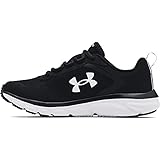
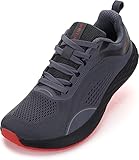
If you would rather start from a shortlist than shop model by model, these three cover the easy-day, workout, and long-run slots described above.
Affiliate note: the product links below are Amazon affiliate links. As an Amazon Associate, Gent Garb earns from qualifying purchases at no extra cost to you.

Tracking Mileage and Retiring Shoes
Rotation only helps if you know when each shoe is done, and most runners guess.
How to Log Miles
Write the purchase date inside the tongue with a permanent marker, then assign the shoe to runs in whatever app you use. No app? Note weekly mileage per shoe every Sunday.
Retirement Signals by Shoe Type
Mileage limits differ by construction, because a 7 oz workout shoe carries far less foam than a 10 oz trainer. Treat these as ranges, not warranties.
| Shoe slot | Typical life | Retire when | What to check |
|---|---|---|---|
| Daily trainer | 300 to 450 miles | Heel or forefoot rubber worn through | Outsole thickness, creases across the forefoot |
| Workout shoe | 200 to 300 miles | Stops feeling snappy on intervals | Forefoot rubber, upper stretch |
| Long-run shoe | 300 to 400 miles | Heel stack drops 3 to 4 mm | Stack height with a ruler |
| Trail shoe | 350 to 500 miles | Lugs worn below about 2 mm | Lug depth at the forefoot |
| Race shoe | 100 to 200 miles | Foam feels dull at race pace | Exposed plate, wear on the lateral edge |
Measuring Stack Height at Home
Stand the shoe on a hard floor and measure from the floor to the top of the midsole at the back of the heel, same spot every time. A new 34 mm shoe sitting at 30 mm has lost about 12 percent of its cushioning height, a clearer signal than any date on the tongue.
What Rotation Will Not Fix
Four things rotation cannot do:
- Rescue a shoe in the wrong size. A second pair just gives you two bad fits.
- Replace strength work. Calf raises and single-leg balance do more than any midsole compound.
- Absorb an overtraining block. Three fresh pairs will not cover a 30 percent mileage jump in two weeks.
- Revive a dead shoe. Once foam has compressed set, rest will not bring it back.
Common Mistakes
These five errors undo most of the benefit people think they are getting.
- Buying three pairs of the same shoe. You get the drying benefit and none of the load variation.
- Keeping the new pair for races only. A race shoe that sits in a box for months is wasted mileage. Rotate it into workouts so you know how it behaves.
- Ignoring the insole. Insoles hold most of the moisture and compress before the midsole does.
- Retiring by calendar instead of miles. Two runners can put the same shoe through 250 and 500 miles in six months.
- Retiring a shoe because the upper looks dirty. A scuffed upper with intact rubber and a full stack has plenty left. Wash it and keep going.
Frequently Asked Questions
Is two pairs really enough?
For most runners under 25 miles a week, yes. Two pairs give each midsole a full day to recover and each shoe a day to dry. Add a third when weekly mileage passes roughly 30 miles.
How long should a shoe rest between runs?
Aim for at least 24 hours and preferably 48. Foam rebound is largely finished within a day, but moisture takes longer to leave the lining, especially in humidity.
Does rotation reduce injury risk?
The evidence is mixed and no shoe prevents injury on its own. What rotation reliably does is keep foam closer to its original state, so you are less likely to be running on a compressed midsole without noticing.
Can I rotate a trail shoe with a road shoe?
Yes, and it is one of the more useful pairings if you split your week between pavement and dirt. Keep the trail shoe for off-road days, since lugged rubber wears quickly on asphalt.
When should I replace my oldest pair?
When outsole rubber is worn through anywhere, when deep creases across the forefoot no longer spring back, or when the heel stack measures 3 to 4 mm less than new. Any one of those is enough.