Table of Contents
Overpronation isn’t a character flaw—it’s simply how your feet roll inward during your stride, and for millions of runners, it’s the hidden culprit behind shin splints, knee pain, and prematurely worn shoes. If you’ve ever finished a run feeling like your ankles are doing overtime while your arches have clocked out early, you’re likely in the camp that needs specialized footwear. The good news? The landscape of men’s stability running shoes has evolved dramatically, and 2026 brings a new generation of intelligent designs that work with your natural gait rather than fighting against it.
Gone are the days of clunky, brick-like stability shoes that felt like punishment for having flat feet. Today’s engineering marvels combine lightweight materials, targeted support zones, and data-driven cushioning that adapts to your specific pressure patterns. But here’s the challenge: more options mean more complexity. This guide cuts through the marketing noise to equip you with the biomechanical knowledge and practical evaluation skills you need to find your perfect match—whether you’re training for a marathon or simply want to enjoy pain-free morning jogs.
Top 10 Mens Stability Running Shoes For
Detailed Product Reviews
1. Brooks Men’s Adrenaline GTS 24 Supportive Running Shoe - Peacoat/Black/Sharp Green - 12 Medium

Overview: The Brooks Adrenaline GTS 24 represents the latest evolution in supportive running footwear, designed for runners seeking reliable stability without sacrificing comfort. This 24th iteration introduces nitrogen-infused DNA Loft v3 cushioning, elevating the plush ride that has made this series a favorite among overpronators and those needing extra support for daily training.
What Makes It Stand Out: The innovative GuideRails Holistic Support System distinguishes this shoe by working with your body’s natural motion rather than forcing correction. The nitrogen-infused DNA Loft v3 midsole delivers exceptional lightweight cushioning that adapts dynamically to your stride. Additionally, its PDAC A5500 Diabetic certification and APMA Seal of Acceptance make it medically recommended for sensitive feet, a rare credential in performance running shoes.
Value for Money: Positioned in the premium stability category at approximately $140-160, the Adrenaline GTS 24 justifies its price through durable construction and versatile performance. While budget stability shoes exist, none match the comprehensive support technology and medical certifications. The shoe’s longevity—typically 300-500 miles—makes it a sound investment for serious runners who need consistent support.
Strengths and Weaknesses:
- Pros: Exceptional GuideRails support system; plush DNA Loft v3 cushioning; breathable engineered mesh upper; smooth heel-to-toe transitions; medically certified for diabetics; versatile for various running paces
- Cons: Slightly heavier than neutral counterparts; limited color options; may feel too structured for runners preferring minimal support; break-in period required for optimal comfort
Bottom Line: The Brooks Adrenaline GTS 24 is an outstanding choice for runners needing structured support, offering premium cushioning and medical-grade reliability in one comprehensive package.
2. Brooks Men’s Glycerin GTS 22 Supportive Running Shoe - White/Grey/Black - 10.5 Medium

Overview: The Brooks Glycerin GTS 22 delivers premium cushioning with integrated support for runners wanting plush comfort without sacrificing stability. As the supportive sibling to the neutral Glycerin 22, it targets road runners and cross-trainers who experience mild to moderate overpronation. The shoe combines luxury with function in a versatile package suitable for various activities.
What Makes It Stand Out: The DNA Tuned cushioning system with dual-size cells creates a unique ride—soft heel landings transition to responsive forefoot toe-offs. The GuideRails support system provides holistic stability without intrusive posting. Its broad platform design enhances inherent stability, while the double jacquard knit upper offers exceptional breathability with a flexible, accommodating fit that adapts to foot shape.
Value for Money: At the premium $150-170 price point, the Glycerin GTS 22 competes with top-tier stability trainers. The investment pays dividends through advanced cushioning technology and versatile performance across running, gym work, and daily wear. While expensive, it eliminates the need for multiple specialized shoes, offering better value than buying separate trainers for different activities.
Strengths and Weaknesses:
- Pros: Luxurious DNA Tuned cushioning; effective GuideRails support system; accommodating and breathable upper; broad stable platform; smooth transitions; versatile for multiple activities
- Cons: Premium pricing; heavier than racing flats; may feel too plush for runners preferring firm rides; limited ground feel; not ideal for speed work or competitive racing
Bottom Line: Runners seeking maximum cushioning with subtle, effective support will find the Glycerin GTS 22 an exceptional premium option worth the investment for daily training comfort.
3. ASICS Men’s GT-2000 14 Running Shoes, 10.5, Midnight/Stillwater

Overview: The ASICS GT-2000 14 continues the brand’s legacy of reliable stability shoes, targeting runners needing moderate support for daily training. This 14th generation introduces the 3D GUIDANCE SYSTEM and trampoline-inspired outsole pod, creating a more adaptive and energetic ride than its predecessors while maintaining the series’ trusted performance and durability.
What Makes It Stand Out: The innovative 3D GUIDANCE SYSTEM uses platform geometry and controlled deformation for on-demand stability, eliminating traditional medial posts. The trampoline-inspired outsole pod enhances energy return for a bouncy toe-off. Rearfoot PureGEL technology—65% softer than standard GEL—delivers exceptional impact absorption. The asymmetric tongue wing reduces midfoot slippage during runs.
Value for Money: Positioned at $130-150, the GT-2000 14 offers excellent value in the stability category. It delivers advanced features comparable to premium models at a slightly lower price point. The durable construction ensures 300-400 miles of performance, making it more economical than budget options that wear out quickly. It competes directly with Brooks’ stability offerings while undercutting them slightly.
Strengths and Weaknesses:
- Pros: Adaptive 3D GUIDANCE SYSTEM; trampoline outsole pod for energy return; soft PureGEL cushioning; secure asymmetric tongue wing; breathable woven mesh upper; traditional ASICS reliability
- Cons: Less plush than Brooks alternatives; narrower toe box may not suit wide feet; break-in period needed; design may feel dated to some; limited color variety compared to competitors
Bottom Line: The ASICS GT-2000 14 is a dependable, technology-rich stability shoe offering excellent value for runners wanting adaptive support without premium pricing.
4. ASICS Men’s Gel-Contend 9 Running Shoes, 10.5, Black/Graphite Grey

Overview: The ASICS Gel-Contend 9 serves as the brand’s entry-level running shoe, perfect for beginners, casual runners, and budget-conscious athletes. This versatile trainer prioritizes essential features over advanced technology, delivering reliable comfort and basic support for short to medium distances, gym sessions, and everyday wear without breaking the bank.
What Makes It Stand Out: Despite its budget positioning, the Gel-Contend 9 includes genuine Rearfoot GEL technology for impact absorption—rare in this price range. The OrthoLite sockliner provides excellent step-in comfort, while the jacquard mesh upper improves airflow. Synthetic stitching on overlays adds structural support without increasing cost significantly, making it feature-rich for its class.
Value for Money: Exceptional value at $65-75, the Gel-Contend 9 outperforms many discount-store alternatives. While lacking premium foams or advanced stability systems, it delivers durable construction and legitimate ASICS technology. For runners logging 15-20 miles weekly or seeking a comfortable walking shoe, it offers better ROI than mid-range options. Serious runners will outgrow its capabilities quickly but beginners will appreciate the accessibility.
Strengths and Weaknesses:
- Pros: Affordable price point; genuine GEL cushioning; OrthoLite sockliner comfort; breathable jacquard mesh; adequate for beginners; durable outsole; versatile for casual use
- Cons: Runs small (size up needed); limited cushioning for long runs; basic support only; heavier than premium models; less responsive; minimal energy return for faster paces
Bottom Line: The ASICS Gel-Contend 9 is an unbeatable value for entry-level runners, delivering essential ASICS technology at a price that makes running accessible to everyone.
5. Brooks Men’s Glycerin 22 Neutral Running Shoe - Primer Gray/Ebony/Bluewash - 10 Wide

Overview: The Brooks Glycerin 22 represents the pinnacle of neutral cushioning, designed for runners who prioritize plush comfort and smooth transitions above all else. As Brooks’ flagship neutral trainer, it delivers maximum cushioning without added stability features, making it ideal for efficient runners and supinators. The shoe excels on long runs and recovery days.
What Makes It Stand Out: The DNA Tuned cushioning system with dual-size cells creates a luxurious ride—large heel cells provide pillow-soft landings while smaller forefoot cells offer responsive toe-offs. The broad platform naturally stabilizes without intrusive support mechanisms. The double jacquard knit upper delivers exceptional breathability and an accommodating fit. APMA certification adds medical credibility rare in neutral shoes.
Value for Money: At $150-160, the Glycerin 22 commands a premium price justified by its luxurious cushioning and versatile performance. While expensive, it eliminates the need for separate recovery and daily trainers. Compared to other premium neutral shoes, it offers superior comfort and medical certifications. Budget-conscious buyers may prefer the Ghost series, but serious runners will appreciate the investment for mile-after-mile comfort.
Strengths and Weaknesses:
- Pros: Exceptional DNA Tuned cushioning; smooth, stable transitions; breathable accommodating upper; broad stable platform; APMA certified; versatile for various paces
- Cons: Premium pricing; may feel too soft for speed work; heavier than performance trainers; not suitable for overpronators; limited ground feel for technical runners
Bottom Line: Runners seeking the ultimate in plush, neutral cushioning will find the Brooks Glycerin 22 a premium investment that delivers unmatched comfort mile after mile.
6. ASICS Men’s Gel-Excite 11 Running Shoes, 10, Midnight/Winter SEA
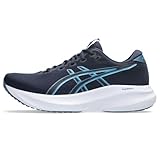
Overview: The Gel-Excite 11 represents ASICS’ commitment to accessible cushioning technology, delivering a comfortable daily trainer that prioritizes soft landings and smooth transitions for recreational runners. This iteration combines multiple foam technologies to create a versatile shoe for road running and casual wear.
What Makes It Stand Out: The dual-cushioning system is the star here—FF BLAST PLUS foam provides responsive lightness while AMPLIFOAM PLUS adds plush comfort. The PureGEL insert, being 65% softer than traditional GEL, delivers noticeable impact absorption without adding weight. The engineered mesh upper eliminates unnecessary overlays, creating a cleaner, more breathable fit that adapts to foot movement naturally.
Value for Money: Positioned as a budget-friendly option, the Gel-Excite 11 punches above its price class. You’re getting premium ASICS technologies found in more expensive models at a fraction of the cost. For runners logging moderate weekly miles, this offers better durability and comfort than typical entry-level competitors, making it a smart investment for beginners or as a secondary pair.
Strengths and Weaknesses: Strengths include exceptional cushioning comfort, lightweight construction, breathable upper, and smooth heel-to-toe transition via FLUIDRIDE. Weaknesses involve limited stability features for overpronators, potentially too soft for runners preferring firm responsiveness, and outsole durability may suffer with high mileage. The shoe excels for neutral runners seeking comfort over speed.
Bottom Line: The Gel-Excite 11 is an excellent choice for runners prioritizing plush comfort and value. Ideal for daily training, walking, or gym use, it delivers ASICS’ signature cushioning without breaking the bank. Neutral runners seeking a reliable, comfortable ride will find this shoe hard to beat in its price category.
7. Saucony Men’s Guide 18 Sneaker, Cloud/Olive, 10.5
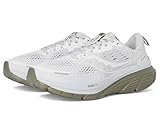
Overview: The Saucony Guide 18 redefines stability running by combining maximal cushioning with innovative Center Path Technology, creating a protective platform that guides rather than forces correction. This shoe targets runners needing support who refuse to compromise on comfort.
What Makes It Stand Out: Center Path Technology uniquely centers the foot through the entire gait cycle, using asymmetric geometry that provides inherent stability without traditional medial posts. The broad base geometry lets feet sit deep within the platform, offering protection and support naturally. PWRRUN foam delivers a perfect balance of softness and responsiveness that maintains its consistency across long distances.
Value for Money: As a premium stability shoe, the Guide 18 justifies its mid-range price through durable construction and versatile performance. The XT-900 carbon rubber outsole extends lifespan significantly, while the engineered mesh upper maintains structure without adding bulk. Compared to other stability trainers, it offers superior cushioning-to-weight ratio and innovative support mechanics that reduce injury risk.
Strengths and Weaknesses: Strengths include exceptional stability without rigidity, plush yet responsive cushioning, durable outsole, and breathable supportive upper. The wide platform excels at impact distribution. Weaknesses include heavier weight than neutral counterparts, potentially too much shoe for faster workouts, and the broad base may feel bulky to runners accustomed to minimalist designs.
Bottom Line: The Guide 18 is a top-tier stability shoe perfect for overpronators or runners seeking extra support. Its intelligent design provides security without sacrificing comfort, making it ideal for long runs and daily training. Those needing reliable guidance will appreciate its innovative approach.
8. Brooks Men’s Adrenaline GTS 25 Supportive Running & Walking Shoe - Primer Grey/Ebony/Jasmin - 10 Medium

Overview: The Brooks Adrenaline GTS 25 continues its legacy as the go-to support shoe, now enhanced with nitrogen-infused DNA LOFT v3 cushioning and holistic GuideRails technology. This 25th iteration serves runners and walkers seeking dependable stability with premium comfort.
What Makes It Stand Out: GuideRails revolutionize stability by supporting the body’s natural motion path rather than controlling just the feet, reducing excess knee and hip movement. The nitrogen-infused DNA LOFT v3 delivers exceptionally soft, lightweight cushioning that maintains responsiveness across countless miles. Notably, it’s certified as a diabetic shoe with APMA acceptance, reflecting its exceptional comfort and therapeutic design.
Value for Money: As a premium stability shoe, the price reflects its advanced technology and medical endorsements. The durability of materials and proven injury-prevention features justify the investment for serious runners. While pricier than entry-level options, it outperforms competitors in longevity and protective qualities, potentially saving money on future injury treatment.
Strengths and Weaknesses: Strengths include unparalleled support system, luxurious cushioning, secure engineered mesh fit, smooth transitions, and medical-grade comfort certifications. The flat-knit collar prevents irritation. Weaknesses involve premium pricing that may deter budget-conscious buyers, slightly heavier construction, and cushioning may feel too soft for runners preferring firm ground feel.
Bottom Line: The Adrenaline GTS 25 is a best-in-class stability shoe worthy of its reputation. Perfect for runners needing support, walkers, or those with foot concerns, it delivers protective comfort mile after mile. The investment pays dividends in injury prevention and lasting performance.
9. Skechers Men’s Go Run Consistent 2.0 Sneaker, Charcoal/Blue, 11

Overview: Skechers delivers a performance-focused daily trainer with the Go Run Consistent 2.0, emphasizing lightweight responsiveness and breathable comfort. This shoe targets runners seeking versatility for both training and casual wear without sacrificing modern technology.
What Makes It Stand Out: The ULTRA LIGHT midsole provides impressive responsiveness while maintaining featherweight feel, complemented by the Air-Cooled Goga Mat insole that delivers high-rebound cushioning with exceptional breathability. Parametric midsole construction offers targeted support zones, while M-Strike technology promotes efficient midfoot striking for better gait efficiency.
Value for Money: Skechers consistently undercuts traditional running brands while delivering comparable technology. The leather overlay construction adds durability uncommon in this price range, and the versatile design transitions seamlessly from runs to daily activities. For budget-conscious runners wanting performance features, this offers remarkable bang for your buck.
Strengths and Weaknesses: Strengths include incredibly lightweight feel, breathable upper, responsive cushioning, stable parametric design, and excellent price point. The leather overlays enhance durability and support. Weaknesses involve less sophisticated cushioning than premium brands, potentially shorter lifespan for high-mileage runners, and brand perception may not carry same cachet in serious running circles.
Bottom Line: The Go Run Consistent 2.0 is a smart choice for runners prioritizing lightweight comfort and value. Ideal for beginners, gym-goers, or as a versatile daily trainer, it performs admirably without the premium price tag. Those open to Skechers’ performance line will be pleasantly surprised by its capabilities.
10. ASICS Men’s Gel-Cumulus 27 Running Shoes, 11.5, Taupe Grey/Black
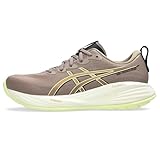
Overview: The ASICS Gel-Cumulus 27 continues its trusted neutral trainer legacy, refining cushioning and comfort for daily miles. As a cornerstone of ASICS’ lineup, it balances proven technologies with modern updates to serve runners seeking reliable, no-fuss performance.
What Makes It Stand Out: The integration of FF BLAST PLUS and PureGEL technologies creates a sophisticated cushioning system that absorbs impact while returning energy efficiently. The engineered mesh upper improves breathability and comfort, molding to the foot without restrictive overlays. Reflective details enhance visibility for early morning or evening runs, adding a safety element often overlooked in daily trainers.
Value for Money: Positioned as a mid-range daily trainer, the Cumulus 27 offers excellent longevity and versatility that justifies its price. The durable FLUIDRIDE outsole withstands high mileage, while the premium cushioning maintains its properties longer than budget alternatives. For runners wanting one shoe for most training needs, this represents solid value.
Strengths and Weaknesses: Strengths include proven cushioning reliability, smooth transitions, breathable upper, safety-enhancing reflectivity, and versatile performance for various paces. The neutral platform suits most gait types. Weaknesses include limited stability features, may feel too traditional for runners seeking cutting-edge design, and cushioning might be too soft for those wanting racing responsiveness.
Bottom Line: The Gel-Cumulus 27 is a dependable workhorse for neutral runners. Perfect for daily training, long runs, and walkers, it delivers consistent comfort and durability. Those seeking a trustworthy, comfortable shoe without experimental features will find this 27th iteration continues to earn its place in their rotation.
Understanding Overpronation and Why It Matters
Overpronation occurs when your foot rolls inward more than 15 degrees after initial ground contact, causing your arch to collapse and your ankle to rotate. This excessive inward motion creates a kinetic chain reaction: your tibia rotates internally, your knee tracks improperly, and your hip compensates with abnormal movement patterns. For runners, this translates to inefficient energy transfer and increased stress on soft tissues.
The significance extends beyond mere discomfort. Unchecked overpronation can accelerate cartilage wear in your knees, strain your posterior tibial tendon, and even contribute to lower back issues. Your body is remarkably adaptable, but repetitive stress without proper support is a recipe for chronic injury. Understanding this mechanism is crucial because it transforms shoe shopping from a fashion exercise into a biomechanical intervention.
What Exactly Are Stability Running Shoes?
Stability running shoes represent a middle ground between neutral trainers and motion control footwear. They incorporate support features that gently correct excessive inward rolling without completely restricting natural foot movement. Think of them as architectural reinforcements for your feet—providing structure where you need it while allowing flexibility elsewhere.
Unlike their heavy-handed motion control cousins, modern stability shoes use sophisticated technologies like dual-density foams, thermoplastic urethane (TPU) frames, and guide rails that activate only when your foot begins to overpronate. This responsive approach means you’re not fighting your shoe with every stride. The key differentiator is the medial post or its contemporary alternatives—strategically placed firmer materials on the inside edge of the midsole that resist compression during the critical phase of pronation.
Key Stability Features to Look for in 2026
The 2026 model year introduces several evolutionary improvements in stability technology. First, look for adaptive medial support systems that use variable-density foams or thermoplastic polymers that stiffen under higher loads but remain compliant during normal pronation. These smart materials provide customized resistance based on your weight, speed, and degree of overpronation.
Second, integrated guide rail systems have become more refined, extending further along the shoe’s perimeter to create a holistic support structure rather than isolated medial posting. This cradle-like design helps control not just pronation but also late-stage overpronation that occurs during toe-off. Additionally, tuned cushioning platforms now feature zoned durometers—softer under the heel for impact absorption, firmer under the arch for support, and responsive under the forefoot for propulsion.
How to Determine Your Pronation Type at Home
Before investing in stability shoes, confirm you actually need them. The wet foot test provides a decent starting point: step on a paper bag with wet feet and examine your footprint. A complete imprint with no visible arch suggests overpronation, while a narrow connection between heel and forefoot indicates supination. However, this static test only tells part of the story.
For dynamic analysis, film yourself running on a treadmill from behind at 90 degrees. Watch in slow motion as your foot strikes—if you see your ankle collapsing inward and your Achilles tendon bowing inward like a parentheses, you’re likely overpronating. More sophisticated at-home methods include pressure-sensing insoles that pair with smartphone apps, providing real-time data on your foot strike pattern, ground contact time, and pronation velocity. These tools have become remarkably affordable and accurate in 2026.
The Critical Difference: Stability vs Motion Control
Understanding the distinction between stability and motion control shoes prevents you from buying more shoe than you need—or worse, not enough. Stability shoes target mild to moderate overpronators, typically those whose arches collapse under load but retain some structural integrity. They offer guidance and gentle correction through selective firmer materials.
Motion control shoes, conversely, are built for severe overpronators and runners with significantly flat or flexible feet. They feature extremely rigid medial posts, often extending from heel to forefoot, and reinforced heel counters that dramatically limit foot movement. While effective for the right user, they’re overkill for most runners and can cause discomfort or even injury if your pronation doesn’t warrant that level of restriction. Many runners who think they need motion control actually thrive in modern stability shoes.
Why Proper Fit Can Make or Break Your Stability Shoe
A stability shoe’s corrective features only work if the shoe fits like a natural extension of your foot. When trying shoes, wear the socks you run in and test them in the late afternoon when your feet are slightly swollen—mimicking mid-run conditions. Ensure a thumb’s width of space between your longest toe and the shoe’s end, but pay special attention to midfoot lockdown.
The shoe should cradle your arch snugly without pressure points. If you can slide your foot side-to-side inside the shoe, the stability features won’t align properly with your anatomy. Conversely, excessive tightness across the midfoot can cause numbness and restrict natural toe splay. The heel should feel secure with minimal lift during calf raises. Remember, stability shoes often run narrower in the midfoot—don’t be afraid to explore wide or extra-wide options if needed.
Cushioning Technologies: Finding Your Sweet Spot
Overpronators face a unique cushioning dilemma: too soft, and your foot collapses into the foam, negating stability features; too firm, and you lose impact protection, increasing joint stress. The 2026 market offers several advanced solutions. Dual-density midsoles combine softer outer foam for comfort with denser inner foam for support, creating a platform that feels plush but controls motion.
TPEE (thermoplastic polyester elastomer) beads have emerged as a game-changer, offering exceptional energy return while maintaining structural integrity under pronation loads. These beads compress individually then spring back, providing both cushioning and subtle guidance. For heavier runners or those logging high mileage, nitrogen-infused foams deliver consistent performance over longer lifespans without packing out prematurely. Test cushioning by performing single-leg squats in the shoes—if you feel stable and your knee tracks over your toes without wobbling, the density is appropriate.
Heel-to-Toe Drop Decoded for Overpronators
Heel-to-toe drop—the height difference between heel and forefoot—significantly impacts pronation control. Traditional stability shoes featured 10-12mm drops to shift load away from the Achilles and encourage heel striking. However, 2026’s best designs offer more nuanced approaches. Lower drops (4-6mm) can strengthen foot muscles and encourage a more natural gait, but they demand gradual adaptation and may increase stress on the calves and plantar fascia.
For most overpronators, a moderate drop (8-10mm) provides the ideal compromise, allowing the shoe’s stability features to engage properly during the transition from heel strike to toe-off. The key is matching drop to your running style and injury history. If you’ve struggled with plantar fasciitis, a higher drop might provide relief. If you’re building foot strength and have healthy calves, experimenting with lower drops could improve your natural stability over time. Always transition gradually—decrease drop by only 2mm at a time over several weeks.
Upper Construction: Where Support Meets Comfort
The upper plays a surprisingly crucial role in stability beyond just holding your foot in place. In 2026, engineered mesh designs incorporate zonal knitting—tighter weaves in the midfoot for support, more open structures in the forefoot for breathability and toe splay. Look for asymmetric lacing patterns that better align with your foot’s anatomy, reducing pressure on the navicular bone where many overpronators experience discomfort.
External heel counters made from TPU or carbon fiber composites provide rearfoot security without adding interior bulk. Some advanced models feature dynamic eyestays that tighten progressively as you lace, creating a custom fit that adapts to your foot’s shape. The collar padding should be substantial enough to prevent heel slippage but not so thick that it irritates your Achilles. When testing, perform figure-eight movements—the upper should move with your foot, not against it.
Outsole Design and Traction Considerations
Stability shoes require outsoles that complement their medial posting without creating abrupt transition zones. Segmented crash pads in the heel area allow smooth landings while the stability features engage. The outsole rubber compound matters significantly—carbon rubber offers durability for heel strikers, while blown rubber provides better grip and flexibility in the forefoot.
Pay attention to flex grooves—they should align with your foot’s natural bending points, typically just behind the metatarsal heads. Overly rigid outsoles force your foot to work harder, potentially exacerbating fatigue-related pronation. Some 2026 models feature biomechanical mapping in their outsole patterns, with different rubber densities and lug shapes in pronation-prone areas. For road runners, ensure the outsole isn’t overly aggressive; trail stability shoes need deeper, multi-directional lugs that maintain grip even as the shoe’s support features compress on uneven terrain.
Weight vs. Support: The Modern Balance
The old adage that stability shoes must be heavy is officially dead. Thanks to advanced materials like PEBA (polyether block amide) foams and 3D-printed lattice structures, 2026 stability shoes deliver robust support at weights that rival neutral trainers from five years ago. However, there’s still a relationship between support level and weight—truly maximal stability features add ounces.
Aim for shoes under 11 ounces for daily training if you’re a mid-pack runner; elite runners can find options under 9 ounces. The trick is evaluating support-to-weight ratio rather than absolute mass. A 10.5-ounce shoe with comprehensive guide rails and a full-contact outsole might serve you better than an 8.5-ounce model with minimal medial posting. Consider your running economy—if you’re efficient and light on your feet, prioritize lower weight. If you’re a powerful heel striker carrying more mass, don’t sacrifice necessary support for a few ounces.
Durability Factors That Matter Most
Stability shoes face unique durability challenges. The medial post, being denser than surrounding foam, can create shear stress at the interface, potentially causing premature delamination. Examine the midsole bonding—quality shoes use advanced adhesives and mechanical interlocking between foam densities. The medial post material itself should resist compression set; TPU-based posts maintain their structure longer than traditional EVA postings.
Outsole wear patterns tell the real story. Overpronators typically wear down the inside heel edge first, then the big toe area. Look for reinforced medial heel rubber with hardness ratings of 80+ on the Asker C scale. The upper’s inner lining at the midfoot also takes abuse from repetitive stretching—reinforced synthetic overlays or laminated constructions last longer than stitched-on pieces. Expect 400-500 miles from premium stability shoes, but track your own wear patterns; replace when the medial post shows visible compression or you notice increased post-run aches.
Price vs. Performance: Smart Investment Strategies
Stability shoe pricing spans from budget-friendly $90 options to premium $180+ models. The sweet spot for most runners lies between $120-$150, where you get proven midsole technologies and durable outsoles without paying for marginal gains. Premium models justify their cost through adaptive cushioning systems that maintain performance across temperature ranges, carbon fiber plates for enhanced propulsion, or customizable fit systems.
Budget models often cut costs by using simpler single-density midsoles with basic medial posting—these work fine for mild overpronators but lack the nuanced support severe cases need. Consider cost per mile: a $150 shoe lasting 500 miles costs $0.30 per mile, while a $90 shoe lasting 300 miles costs $0.33 per mile. Also factor in injury prevention value—spending $30 more is trivial compared to a $200 podiatrist visit. Watch for previous year’s models at 30-40% discounts; stability technology evolves slowly enough that last year’s flagship often outperforms this year’s mid-tier options.
Transitioning Safely to New Stability Footwear
Switching stability shoes isn’t like swapping neutral trainers—your body needs time to adapt to new support geometries. Even if you’re moving from one stability model to another, the location and density of support features vary between brands. Start with walk-then-run progression: wear the new shoes for daily walking for 3-4 days, then introduce them for 20-30% of your weekly running mileage.
Monitor for transitional soreness in your calves, peroneals, or even your glutes—these indicate your kinetic chain is adjusting to the new alignment. Increase usage by 10-15% each week, maintaining your old shoes for longer runs until you’ve fully adapted. If you experience sharp pain, numbness, or persistent discomfort beyond two weeks, the shoe’s support level may be inappropriate. Keep a training log noting any aches, your pace, and perceived effort during the transition period. This data helps you distinguish between normal adaptation and poor shoe choice.
Common Buying Mistakes to Avoid
First, overcorrecting is the most frequent error. Runners with mild overpronation often buy maximum stability shoes, which can force their feet into unnatural positions and create new problems like lateral knee pain or peroneal tendonitis. Second, ignoring width needs—many overpronators have wider feet due to collapsed arches, but squeeze into standard widths, compromising both comfort and support alignment.
Third, shopping by price alone. That $80 stability shoe might seem like a bargain until it breaks down at 250 miles and you’re back at square one. Fourth, disregarding drop changes. Switching from a 12mm to a 4mm drop overnight is a recipe for Achilles issues. Fifth, testing shoes on carpeted store floors. Always test on a hard surface that mimics your typical running terrain. Finally, buying for color or brand loyalty—your favorite brand’s stability model might not match your specific pronation pattern or foot shape.
When to Consider Custom Orthotics
Stock insoles in stability shoes have improved dramatically, but they can’t address every foot’s unique architecture. Consider custom orthotics if you have significant leg length discrepancies, severe flatfoot deformity, or persistent pain despite trying multiple stability models. Orthotics work by modifying the shoe’s internal geometry, creating a personalized support platform that addresses your specific collapse pattern.
The integration process matters: bring your orthotics when shoe shopping, as they alter volume and fit. Look for shoes with removable insoles that sit below the top edge of the midsole—this ensures the orthotic sits stable without lifting your heel out of the shoe’s natural pocket. Some 2026 models feature orthotic-friendly lasts with extra depth and wider midfoot platforms. Be prepared for a break-in period; orthotics change your biomechanics more dramatically than any shoe, requiring 4-6 weeks of gradual adaptation. Cost-benefit analysis is crucial—quality custom orthotics run $300-500 and should last 5+ years, making them a worthwhile investment for chronic issues.
Terrain and Running Surface Implications
Your typical running surface dramatically influences stability shoe selection. Road runners need firmer medial posts that don’t compress excessively on unforgiving pavement, plus durable outsole rubber to withstand repetitive striking. Trail runners require stability features that function on uneven terrain—wider platforms, lower centers of gravity, and protective rock plates that don’t interfere with pronation control.
Track runners face unique challenges: the constant left turns on oval tracks can exacerbate overpronation in your left foot while underloading your right. Consider slightly different shoe models for each foot or rotate between symmetric and asymmetric stability designs. Treadmill running allows more flexibility since the belt provides some cushioning, but don’t be fooled—the repetitive motion can actually highlight pronation issues more clearly than varied outdoor terrain. If you run mixed surfaces, prioritize a shoe with surface-adaptive cushioning that firms up on hard ground and softens on forgiving surfaces.
Sustainability and Material Innovations in 2026
Environmental consciousness has reshaped stability shoe manufacturing. Bio-based TPU derived from sugarcane now replaces petroleum-based plastics in many medial posts, offering identical performance with 70% lower carbon footprint. Recycled PET uppers woven with ocean plastic provide durability without virgin materials. These eco-friendly options no longer command premium pricing—they’re becoming standard in mid-tier models.
Chemical recycling programs allow brands to reclaim worn midsole foam, breaking it down to molecular components for reuse. Some manufacturers now offer trade-in credits of $20-30 for returning old shoes. When evaluating green claims, look for third-party certifications like Bluesign or Cradle to Cradle rather than vague “eco-friendly” marketing. The performance of sustainable materials now matches or exceeds traditional options—early concerns about durability have been resolved through advanced polymer science. However, verify that eco-materials maintain their stability properties across temperature ranges, as some bio-foams can stiffen in cold weather.
How to Properly Test Running Shoes Before Buying
Never rely on a quick jog around the store. Request a minimum 10-minute test run on a treadmill or designated in-store track at your typical training pace. Pay attention to three critical phases: the first 2 minutes (initial feel), minutes 5-7 (fatigue response), and the final 3 minutes (stability under stress). Your foot shouldn’t slide forward on downhills, and your heel must remain locked during sharp turns.
Perform single-leg balance tests in the shoes—close your eyes and balance for 30 seconds. If you wobble excessively, the shoe’s platform might be too narrow or the support misaligned with your arch. Do heel raises to check Achilles clearance and rearfoot security. The “twist test” matters less than salespeople claim—some torsional flexibility is good; complete rigidity indicates a shoe that fights your foot’s natural windlass mechanism. Finally, check return policies. The best test is a 30-day trial with outdoor runs, which top retailers now offer. Keep the shoes clean during testing, and don’t hesitate to return if they don’t perform after 3-4 runs.
Maintaining Your Stability Shoes for Maximum Lifespan
Stability shoes require specific care to preserve their corrective properties. Rotate two pairs—alternating shoes allows midsoles to fully recover their structure between runs, extending life by 30-40%. This is especially critical for stability shoes, as the medial post material needs time to rebound from compression cycles. Store shoes at room temperature; extreme heat degrades foam, while cold makes it brittle and can cause the medial post to separate.
Cleaning matters: never machine wash stability shoes. The agitation breaks down foam bonds and can warp the medial post. Instead, remove insoles and laces, scrub with mild soap and water, and air dry away from direct heat. Track mileage using apps or a simple log—replace shoes when you notice the medial post area feels softer than the lateral side, or when you can compress the midsole more easily with thumb pressure. Midsole refresh sprays that restore foam resiliency have entered the market, but treat these as temporary fixes, not miracle extenders. The support structure, not just cushioning, determines when retirement is due.
Frequently Asked Questions
How do I know if I actually overpronate?
The most reliable method combines video gait analysis with wear pattern assessment. Film yourself running from behind in slow motion—if your ankle collapses inward and your arch flattens significantly after heel strike, you overpronate. Check your old shoes: excessive wear on the inside heel edge and under the big toe confirms it. For definitive diagnosis, visit a specialty running store with pressure plate technology or consult a physical therapist. Home pressure-sensing insoles now provide clinical-grade data for under $100.
Can neutral runners wear stability shoes?
Yes, but with caveats. Mild stability shoes won’t harm neutral runners and can provide welcome support during high-mileage weeks or recovery runs. However, maximum stability models with aggressive medial posting can force neutral feet into supination, potentially causing lateral knee pain or peroneal tendon issues. If you’re a neutral runner dealing with fatigue-related form breakdown, consider “light stability” or “guided neutral” shoes that offer subtle support without rigid correction.
How long do stability running shoes typically last?
Expect 400-500 miles for premium models, 300-400 for mid-tier options. Stability shoes often wear out differently than neutral shoes—the medial post compresses and loses its corrective ability before the outsole shows significant wear. Track both mileage and feel. When you notice increased post-run aches, reduced support sensation, or can easily compress the medial midsole with your thumb, it’s time to replace them, regardless of tread depth.
Are stability shoes heavier than neutral shoes?
Historically yes, but the gap has narrowed dramatically. 2026 stability shoes typically weigh 9-11 ounces, compared to 7-9 ounces for neutral trainers. The weight difference comes from TPU posts, denser foams, and reinforced uppers. However, advanced materials like PEBA foams and 3D-printed lattice structures have shaved 2-3 ounces off traditional stability shoes without sacrificing support. For most runners, the injury-prevention benefits outweigh the minimal weight penalty.
Can I use stability shoes for walking or other activities?
Absolutely. Stability shoes work excellently for walking, especially if you overpronate during gait. The same support features that control your running stride provide comfort during long walks or standing jobs. Many users find them ideal for hiking on moderate trails, though dedicated hiking boots offer better ankle support for technical terrain. Avoid using them for court sports like tennis or basketball—the lateral support isn’t designed for quick side-to-side movements.
Do I need stability shoes if I have flat feet?
Not automatically. Flat feet (low arches) don’t always overpronate, and some high-arched feet do. The key is dynamic function, not static arch height. If your flat feet remain stable during gait and you don’t experience related pain, neutral shoes may serve you better. However, most runners with truly flat feet lack the structural rigidity to prevent excessive collapse, making stability shoes beneficial. Test your arch’s flexibility: if you can easily push it flat with thumb pressure, you likely need support.
What’s the difference between medial posts and guide rails?
Medial posts are firmer foam or plastic inserts placed on the inside edge of the midsole that physically block excessive inward rolling. Guide rails are holistic support systems running along both sides of the shoe that create a cradle, guiding your foot through its natural motion path rather than just blocking one direction. Guide rails generally feel less intrusive and work better for runners with variable pronation between feet, while medial posts offer more aggressive correction for severe, consistent overpronators.
How often should I replace my stability running shoes?
Replace them every 400-500 miles or every 6-8 months, whichever comes first. The calendar matters because midsole materials degrade over time even without use, especially the adhesives bonding the medial post. If you run daily, rotate two pairs to extend each shoe’s effective life. Track your shoes’ birthday in your training log. Replace immediately if you notice visible medial post compression, increased knee or ankle pain, or if the shoe feels “dead” and unresponsive.
Can stability shoes help with knee pain?
Often yes, but it depends on the pain’s source. If your knee pain stems from patellofemoral issues caused by internal tibial rotation from overpronation, stability shoes can significantly reduce symptoms by improving lower limb alignment. However, if your knee pain originates from meniscus problems, osteoarthritis, or IT band issues unrelated to pronation, stability shoes may provide minimal relief. Consult a physical therapist to determine if your knee pain has a biomechanical component before relying on footwear as a solution.
Are expensive stability shoes worth the investment?
For serious runners logging 30+ miles weekly, yes. Premium models ($150-180) offer better durability, more sophisticated support systems that reduce injury risk, and superior cushioning that maintains performance across the shoe’s lifespan. The cost per mile often favors expensive shoes. For casual runners under 15 miles weekly, mid-tier options ($120-140) provide excellent value. Budget shoes ($90-110) work for mild overpronators but lack the nuanced support and longevity of pricier models. Consider your injury history—if you’ve had pronation-related injuries, the premium is cheaper than physical therapy.
See Also
- How to Choose the 10 Best Men’s Stability Running Shoes for Plantar Fasciitis
- Best Men’’s Stability Running Shoes for Overpronation: 10 Expert Picks for
- The 10 Best Men’s Stability Running Shoes for Overpronation in 2026
- 10 Best Value Men’s Stability Running Shoes for Overpronation in 2026
- How to Choose the 10 Best Men’s Lightweight Running Shoes for Speed in 2026