Table of Contents
When your job site turns into a swamp after heavy rain or you’re working knee-deep in water day after day, the right footwear isn’t just about comfort—it’s about survival. Wet conditions present some of the most hazardous working environments, from slippery surfaces that can send you crashing to the ground, to waterlogged boots that lead to blisters, trench foot, and days lost to injury. The difference between a productive shift and a miserable, dangerous one often comes down to what’s on your feet.
Choosing waterproof work boots for wet job sites requires more than grabbing the first pair labeled “waterproof” at the hardware store. Today’s market offers sophisticated technologies, safety features, and materials engineered specifically for brutal wet conditions. But with so many options and marketing claims, how do you separate genuine protection from expensive gimmicks? This comprehensive guide cuts through the noise, equipping you with the knowledge to evaluate waterproof work boots like a seasoned safety manager, ensuring your next pair keeps you dry, safe, and comfortable through every puddle, downpour, and muddy trench.
Top 10 Waterproof Work Boots For Wet

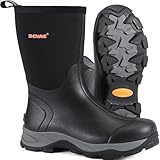
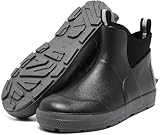


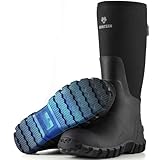
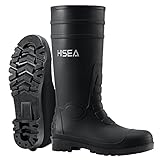


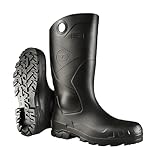
Detailed Product Reviews
Why Waterproof Work Boots Are Non-Negotiable for Wet Job Sites
Working with wet feet isn’t merely uncomfortable—it’s a direct threat to your health, safety, and job performance. Prolonged moisture exposure softens skin, creating a breeding ground for fungal infections and painful blisters that can sideline you for weeks. More critically, waterlogged boots become heavier, reducing your agility and increasing fatigue when you need maximum alertness. The psychological toll matters too; constantly thinking about your squelching socks distracts from task focus, potentially leading to dangerous mistakes around heavy equipment or power tools.
Understanding Waterproof vs. Water-Resistant: The Critical Difference
The terms “waterproof” and “water-resistant” represent vastly different levels of protection that manufacturers sometimes use interchangeably to confuse buyers. Water-resistant boots repel light moisture and splashes temporarily but will eventually soak through during sustained exposure. True waterproof boots maintain a complete moisture barrier even when submerged or exposed to continuous water pressure. Look for construction methods like seam-sealing, waterproof membranes, or injection-molded shells rather than simple surface treatments. The distinction becomes crystal clear when you’re eight hours into a shift in standing water.
The Real Cost of Cheap Footwear on Wet Work Sites
Budget boots often fail at the worst possible moment, and the true expense extends far beyond the purchase price. A $120 pair that leaks after a month costs more than a $250 pair lasting a year when you factor in replacement frequency, potential medical bills from slips or infections, and lost wages from downtime. Cheap waterproofing membranes degrade quickly, adhesives fail at seams, and low-grade leather cracks when repeatedly wet and dried. Consider your boots as critical safety equipment, not optional gear—would you skimp on a hard hat or harness?
Key Waterproofing Technologies Explained
Modern waterproofing isn’t magic; it’s material science engineered to block water molecules while allowing sweat vapor to escape. Understanding these technologies helps you evaluate claims and choose the right system for your specific wet conditions.
Membrane-Based Systems: How They Work
Waterproof membranes are microscopic barriers with pores too small for liquid water but large enough for water vapor from sweat. These thin layers, typically sandwiched between the outer material and inner lining, create a one-way street for moisture. The technology prevents external water intrusion while actively venting internal humidity, crucial for all-day comfort. Membranes perform best when clean and undamaged—punctures from wear or improper care compromise the entire system.
Traditional Seam-Sealed Construction Methods
Even the best materials fail if water seeps through stitching holes. Seam-sealing applies waterproof tape or sealant along every interior stitch line, creating a continuous barrier. Heat-activated seam tape offers superior durability, while liquid sealants work for complex curves. Examine boot interiors—quality seam sealing appears as uniform, wide strips along all joints. Poor sealing shows as narrow, peeling, or inconsistently applied tape that will fail under flexing and stress.
Waterproof Leather Treatments and Their Longevity
Full-grain leather naturally resists water but requires periodic treatment with waxes, oils, or silicone-based compounds to maintain protection. These treatments penetrate leather fibers, creating water-repellent properties without compromising breathability. However, they wear off with use and require reapplication every few months depending on exposure frequency. Factory-applied treatments offer better penetration than DIY applications but aren’t permanent solutions for heavy use.
Essential Safety Features Beyond Waterproofing
Waterproofing means nothing if you slip, crush your toes, or suffer electrical shock. Wet environments amplify every workplace hazard, making integrated safety features non-negotiable.
Slip-Resistant Outsoles: Traction Patterns and Rubber Compounds
Wet surfaces reduce friction dramatically, turning stable footing into a skating rink. Quality slip-resistant outsoles use softer rubber compounds that grip better on slick surfaces, plus complex lug patterns that channel water away from contact points. Look for multi-directional lugs with siping (thin slits) that flex to increase surface area. Some designs incorporate oil-resistant properties, crucial for mixed industrial environments where petroleum products create additional slip hazards.
Toe Protection: Steel vs. Composite vs. Aluminum in Wet Conditions
Steel toes offer maximum impact protection but conduct cold, making feet chilly in waterlogged conditions. Composite toes—made from carbon fiber, Kevlar, or plastic—provide equal ASTM-rated protection without thermal conductivity and weigh less, though they’re typically more expensive. Aluminum toes split the difference: lighter than steel but still conductive. For wet environments, composite toes prevent that bone-chilling cold transfer when standing in water all day.
Electrical Hazard Protection: What Wet Site Workers Must Know
Water dramatically increases electrocution risk by creating conductive paths. Electrical Hazard (EH) rated boots provide a secondary layer of protection against accidental contact with live circuits, though they’re not primary protection. In wet conditions, EH ratings become even more critical. Ensure boots meet ASTM F2413 standards and understand that waterproofing doesn’t automatically mean electrical protection—these are separate features requiring different construction methods.
Ankle Support and Stability: Preventing Injuries on Uneven Terrain
Wet job sites often feature muddy, uneven ground hiding holes and obstacles. High-cut designs with reinforced ankle cups and padded collars prevent rolls and sprains. Some models integrate external TPU shanks or stabilizers that resist lateral movement without restricting forward flex. This support proves invaluable when carrying heavy loads across slick, unpredictable surfaces where one misstep can end your season.
Material Breakdown: What Your Boots Are Made Of
The components comprising your boots determine durability, weight, and performance in wet conditions. Each material choice involves trade-offs between cost, longevity, and functionality.
Upper Materials: Full-Grain Leather vs. Nubuck vs. Modern Synthetics
Full-grain leather remains the gold standard for durability and water resistance when properly maintained. Its dense fiber structure naturally repels water and molds to your foot over time. Nubuck, sanded for a suede-like finish, offers similar performance with a softer feel but shows wear faster. Modern synthetics like ballistic nylon or TPU panels reduce weight and dry faster but may puncture more easily and typically don’t last as long as quality leather in abrasive environments.
Midsole Technologies: EVA vs. PU for All-Day Comfort
The midsole provides cushioning and shock absorption, critical when walking on hard surfaces. EVA (ethylene-vinyl acetate) offers excellent cushioning and lightness but compresses permanently over time, especially when wet. PU (polyurethane) costs more and feels firmer initially but rebounds after compression and resists water breakdown better. Some premium boots use dual-density designs combining both materials for optimal performance.
Hardware and Eyelets: The Importance of Rust-Proof Construction
Standard metal eyelets and speed hooks corrode rapidly in wet conditions, eventually failing completely and making lacing impossible. Brass, stainless steel, or coated hardware resists rust and maintains function. Plastic hardware eliminates corrosion entirely but may crack under extreme cold or impact. Inspect eyelets closely—quality rust-proof hardware often appears matte or coated rather than bright chrome.
Fit, Comfort, and Sizing Strategies
Even the most advanced waterproof boot fails if it fits poorly. Wet conditions exacerbate fit issues, turning minor discomfort into major problems.
Accounting for Thermal Socks in Your Sizing
Wet job sites often mean cold conditions requiring thick, insulating socks. Always size boots while wearing the actual socks you’ll use on site. A thumb’s width between your longest toe and the boot’s end provides adequate room without heel slippage. Too-tight boots restrict circulation, making feet colder, while too-loose boots cause blisters and reduce stability. Many workers need a half-size larger for winter waterproof boots than their standard work boot size.
The Break-In Period: What to Realistically Expect
Modern waterproof boots require less break-in than old-school leather rigs, but expecting instant comfort leads to disappointment. Quality leather boots typically need 1-2 weeks of regular wear to soften and mold. Wear them for short periods initially, gradually increasing duration. Never apply heat to accelerate break-in—this damages waterproof membranes and leather fibers. Synthetic and composite boots often feel comfortable immediately but may develop pressure points after extended wear that only become apparent during real work.
Arch Support Systems and Removable Insole Options
Factory insoles provide generic support that rarely matches individual foot mechanics. Removable insoles allow customization with aftermarket orthotics addressing specific needs like high arches or plantar fasciitis. This flexibility proves especially valuable in waterproof boots where interior space is at a premium. Look for deep heel cups and metatarsal padding that distribute pressure evenly, reducing fatigue during 12-hour shifts on concrete or rocky terrain.
Seasonal Performance Considerations
Waterproof boots perform differently across temperature ranges. Understanding these variations ensures year-round comfort and protection.
Insulation Ratings for Cold, Wet Environments
Insulation in work boots is measured in grams—400g suits cool, wet days above freezing, while 800g handles sub-zero temperatures. Excessive insulation in mild conditions causes overheating and sweat buildup, defeating waterproof breathability. Some boots feature removable liners, offering versatility across seasons. Remember that standing in cold water conducts heat away from feet faster than air, often requiring more insulation than you’d expect for the ambient temperature.
Breathability Features for Hot and Humid Conditions
Summer construction or utility work in wet conditions creates a steam-bath effect inside boots. Waterproof membranes become even more critical in heat, but they must be paired with moisture-wicking linings and ventilated designs. Some models incorporate perforated insoles or air channels in the midsole to enhance airflow. Without adequate breathability, your “waterproof” boots become personal swamps, causing maceration and blisters regardless of external dryness.
Maintenance and Care Protocols
Waterproof boots demand regular maintenance to sustain performance. Neglect accelerates degradation and voids warranties.
Post-Shift Cleaning: Removing Mud and Contaminants
Never let mud dry and cake on boots—it cracks leather and degrades waterproofing treatments. Rinse with water and soft brush after each shift, paying attention to tread grooves where debris hides. For salt or chemical exposure, use mild soap and thorough rinsing. Avoid harsh detergents that strip leather oils and damage membranes. Clean interiors by removing insoles and allowing them to dry separately, preventing bacterial growth and odor.
Leather Conditioning and Waterproofing Reapplication
Clean leather needs regular conditioning to maintain flexibility and water resistance. Apply conditioner to damp (not wet) leather every 1-3 months depending on use frequency. After conditioning, while leather is still slightly damp, apply waterproofing wax or spray. This two-step process nourishes the leather while restoring water repellency. Never use mink oil on modern boots—it over-softens leather and can degrade adhesives and membranes.
Proper Drying Techniques to Prevent Damage
Never place boots near direct heat sources like radiators or campfires—high temperatures crack leather, shrink membranes, and delaminate soles. Instead, stuff boots with newspaper or cedar shoe trees to absorb moisture and maintain shape. Use a boot dryer with gentle, room-temperature airflow if available. Allow 24-48 hours for complete drying between wears; rotating two pairs extends lifespan dramatically by preventing constant moisture saturation.
Decoding Safety Standards and Certifications
Understanding official ratings separates marketing fluff from genuine protection. These standards ensure consistent performance across manufacturers.
ASTM Standards for Waterproof Work Footwear
ASTM F2413 covers performance requirements for protective footwear, including waterproof properties. Look for specific waterproof testing results, not just general compliance claims. The standard includes tests for water penetration resistance under flexing conditions—critical for real-world performance. Boots meeting ASTM waterproof standards must withstand water exposure while flexing to simulate walking, ensuring seals don’t break down during actual use.
Industry-Specific Requirements and OSHA Compliance
Construction, utilities, and chemical processing each have unique waterproof boot requirements. OSHA doesn’t mandate specific waterproof ratings but requires employers provide adequate protection against recognized hazards—including wet conditions causing slips or health issues. Some industries specify pull-on versus lace-up designs, minimum heights, or chemical resistance. Always verify your industry’s specific requirements before purchasing, as compliance issues can halt work or create liability.
Budget and Value Analysis
Price doesn’t always equal performance, but certain minimum investments are necessary for reliable waterproof protection.
Premium Investment vs. Mid-Range Performance
Premium boots ($250-$400) justify costs through durable construction, advanced membranes, and replaceable components like outsoles or insoles. They often last 2-3 years with proper care. Mid-range options ($150-$250) provide solid performance for 12-18 months, suitable for workers who don’t face extreme conditions daily. Budget boots under $150 rarely deliver lasting waterproof protection and typically cost more long-term through frequent replacements and potential injury costs.
Warranty Coverage and Return Policy Evaluation
Quality manufacturers stand behind waterproof claims with specific warranties covering leaks and defects. Look for at least 6-month waterproof guarantees with straightforward claim processes. Some brands offer 30-day comfort guarantees, allowing real-world testing. Understand warranty exclusions—damage from misuse, lack of maintenance, or punctures typically aren’t covered. A generous return policy indicates manufacturer confidence and protects your investment if sizing or performance doesn’t meet expectations.
Common Selection Mistakes to Avoid
Many workers choose boots based on initial comfort or price alone, overlooking critical factors. Don’t assume waterproof claims are equal—verify construction details and standards. Ignoring breathability leads to swampy interiors even with dry exteriors. Overlooking hardware quality results in eyelets rusting shut within months. Perhaps most critically, buying without trying on with actual work socks often leads to painful pressure points only discovered after the return window closes. Take time to research and test properly; your feet and safety depend on it.
Frequently Asked Questions
How long should quality waterproof work boots last in wet conditions?
With proper maintenance and rotation, premium waterproof work boots typically provide reliable protection for 18-36 months of regular use. However, lifespan depends heavily on exposure frequency, terrain harshness, and care diligence. Boots worn daily in abrasive, chemical-laden mud will degrade faster than those used occasionally on clean, wet concrete. Inspect boots monthly for cracks in leather, separating soles, or compromised seams—these indicate imminent failure regardless of age.
Can waterproof boots be repaired if they start leaking?
Minor leaks at seams can sometimes be repaired with specialized sealants or seam tape, but membrane punctures are generally permanent. Many manufacturers offer re-waterproofing services for premium models, though costs may approach new boot prices. DIY repairs using waterproof sprays or waxes can temporarily improve performance but rarely restore original integrity. Prevention through proper care and puncture avoidance proves more cost-effective than repairs.
Do waterproof boots require special break-in compared to regular work boots?
Waterproof boots often require slightly longer break-in periods due to additional membrane layers and seam sealing that reduce initial flexibility. The waterproof membrane itself doesn’t stretch, so the outer materials must accommodate foot movement. Leather waterproof boots need traditional break-in, while synthetic models may feel comfortable immediately but reveal hot spots after extended wear. Plan for 2-3 weeks of gradual wear, and never apply heat to speed the process.
Are steel toes safe to wear in wet environments?
Steel toes provide excellent impact protection in wet conditions but conduct cold, potentially chilling toes in cold water. They don’t increase electrocution risk compared to other materials when boots are properly rated for electrical hazard protection. Composite toes offer better thermal insulation and lighter weight but at higher cost. For most wet applications, steel toes remain perfectly safe and effective, especially with insulated models.
How can I tell if boots are truly waterproof before buying?
Physically inspect interior seam sealing—wide, uniform tape indicates quality construction. Check for gusseted tongues that prevent water entry through lacing areas. Flex boots vigorously; quality waterproof designs shouldn’t show interior moisture after a few minutes. Read independent reviews focusing on long-term waterproof performance, not just initial impressions. Finally, verify specific ASTM waterproof testing compliance rather than generic “waterproof” labels.
Should waterproof boots be tight or loose for best performance?
Waterproof boots should fit snugly but not tightly, with enough room to wiggle toes and no heel slippage. Too-tight boots compress insulation and reduce circulation, making feet colder. Too-loose boots cause blisters and reduce stability on slick surfaces. The ideal fit allows a thumb’s width at the toe with thick socks, no pressure points on sides, and minimal heel lift when walking. Remember that waterproof membranes reduce stretch, so initial fit is crucial.
Can I wear waterproof work boots in summer without overheating?
Yes, provided they feature breathable waterproof membranes and moisture-wicking linings. Avoid heavily insulated models in warm weather; instead choose non-insulated boots with maximum ventilation features. Some designs incorporate perforated insoles or air channels to enhance airflow. Even breathable models will feel warmer than non-waterproof boots, but quality designs prevent the swampy, overheated feeling of cheap waterproof footwear.
How do I clean waterproof boots without damaging the membrane?
Use mild soap and lukewarm water with a soft brush, avoiding harsh chemicals, solvents, or pressure washers that can force water through seams. Never submerge boots completely. Clean interiors by wiping with a damp cloth and mild detergent solution, then air dry thoroughly. Remove insoles and laces for separate cleaning. Aggressive scrubbing or hot water can degrade both leather and membrane integrity over time.
What’s the difference between waterproof and chemical-resistant boots?
Waterproof boots block water but may degrade when exposed to oils, solvents, or harsh chemicals. Chemical-resistant boots use specialized rubber or neoprene constructions that resist specific substances but may lack the comfort and support of leather work boots. Some premium models offer both properties, but verify specific chemical resistance ratings for your industry. Never assume waterproof boots provide chemical protection without explicit certification.
Are pull-on or lace-up waterproof boots better for wet sites?
Pull-on boots offer faster on/off and fewer water entry points (no laces), making them excellent for quick transitions or extremely wet conditions. However, they provide less adjustable fit and ankle support. Lace-up models deliver superior fit customization and support for uneven terrain but require proper lacing to prevent water entry through the tongue area. Many workers prefer lace-ups for all-day wear and pull-ons for specific tasks or emergency use.
See Also
- 10 Affordable Waterproof Work Boots That Don’t Sacrifice Quality in 2026
- 10 Best Value Waterproof Work Boots for Farmers in 2026
- 10 Best Value Waterproof Work Boots for Landscaping in 2026
- 10 Best Value Waterproof Work Boots for Roofers in 2026
- Top 10 Best Waterproof Work Boots for Construction Workers in 2026
