Table of Contents
The modern commute has evolved dramatically. Between hybrid work schedules, digital nomadism, and the growing desire to own less while experiencing more, today’s commuters need gear that works smarter, not harder. The minimalist backpack isn’t just a fashion statement—it’s a functional philosophy that strips away the unnecessary to reveal what truly matters: thoughtful design, premium materials, and seamless integration into your daily rhythm.
As we look toward 2026, the minimalist backpack market has matured beyond simple aesthetics. We’re seeing innovative materials that challenge traditional notions of durability, intelligent organizational systems that disappear when you don’t need them, and sustainable manufacturing practices that align with conscious consumer values. Whether you’re navigating crowded subway platforms, cycling through city streets, or moving between coffee shops and co-working spaces, understanding what makes a minimalist backpack truly exceptional will transform your daily carry experience.
Top 10 Minimalist Backpacks For Daily Commuters
Detailed Product Reviews
1. tomtoc Laptop Backpack Minimalist Daypack, UrbanEX-T65, A City Pack for Daily Commute Work, Water-resistant, Cordura Ballistic Nylon, 20L Fits 15.6-inch Notebook, Black

Overview:
The tomtoc UrbanEX-T65 is a robust 20L commuter backpack engineered for tech-heavy urban lifestyles. Measuring 17.32" x 12.20" x 6.5" and weighing 2.18 pounds, it accommodates 15.6-inch laptops in a dedicated waterproof compartment. The ballistic Cordura nylon construction promises exceptional durability for daily city navigation.
What Makes It Stand Out:
This backpack’s standout feature is its material choice—genuine Cordura ballistic 840D nylon with water-resistant properties and YKK zippers throughout. The compartmentalized design separates a 5L front pocket from a 15L main compartment, while the waterproof YKK zipper on the device compartment provides genuine peace of mind for MacBook users.
Value for Money:
Priced in the premium tier, the UrbanEX-T65 justifies its cost through military-grade materials and thoughtful engineering. Comparable ballistic nylon packs from Tumi or Goruck cost significantly more. The included 12-month warranty and responsive customer support add tangible value for professionals who view their bag as a long-term investment.
Strengths and Weaknesses:
Strengths include exceptional durability, superior weather resistance, premium YKK hardware, and smart compartmentalization. The breathable mesh back panel enhances comfort during long commutes. However, at 2.18 pounds, it’s heavier than ultralight alternatives. The minimalist aesthetic may not suit those needing external water bottle pockets, and the premium price puts it out of reach for budget-conscious buyers.
Bottom Line:
The tomtoc UrbanEX-T65 is ideal for urban professionals prioritizing device protection and durability over minimal weight. Its superior materials and construction make it a worthy investment for daily commuters in unpredictable weather.
2. hk Slim Laptop Backpack for Men Women, Lightweight Business Backpacks 15.6 Inch Water-resistant Computer Bag for College Work Daily

Overview:
The hk Slim Laptop Backpack delivers a lightweight, unisex design for professionals and students seeking streamlined daily carry. Weighing just 1.5 pounds and measuring 15.8" x 12.2" x 5.9", it fits 15.6-inch laptops and 12.9-inch iPads while maintaining a sleek profile suitable for diverse environments.
What Makes It Stand Out:
Its magnetic buckle front pocket provides one-handed access—a rare feature in this price bracket. The 1800D Oxford fabric with PU coating offers reliable water resistance, while the extensive pocket system includes slip pockets, a zippered security pocket, elastic side pockets, and a convenient card pocket for exceptional organization.
Value for Money:
This backpack represents excellent mid-range value, competing with AmazonBasics and Matein offerings while providing better materials and design flair. The sub-$50 price point makes it accessible to students and entry-level professionals. While not as durable as ballistic nylon, the Oxford fabric provides adequate longevity for moderate urban use without the premium cost.
Strengths and Weaknesses:
Strengths include its featherlight weight, comprehensive organization, magnetic closure convenience, and comfortable padded straps. The unisex design broadens its appeal. However, 1800D Oxford fabric, while decent, won’t match Cordura’s abrasion resistance. The PU coating’s water resistance degrades over time, and the brand lacks the heritage of premium manufacturers. The minimalist padding offers less protection than beefier alternatives.
Bottom Line:
Perfect for budget-conscious users wanting maximum organization and light weight without sacrificing basic style. The hk Slim excels as an entry-level commuter pack for moderate urban use.
3. ALPAKA Metro Backpack,12L Small commuter Backpack - Fits Most 14" Laptops - Soft-touch fleece-lined device sleeve (Army Green)

Overview:
The ALPAKA Metro Backpack is a purposefully compact 12L commuter pack designed for minimalist professionals prioritizing sustainability. Crafted from 100% recycled Axogrid 300D fabric, this army green daypack fits most 14-inch laptops while maintaining a slim profile for light-travel urban navigation.
What Makes It Stand Out:
Environmental responsibility defines this pack—it’s fully weatherproof, made from recycled materials, and backed by ALPAKA’s 1% for the Planet membership. The modular strap system allows attachment of Zip Pouch Pro and HUB accessories (sold separately), transforming it from ultra-minimalist to adequately spacious when needed.
Value for Money:
Positioned as a premium eco-friendly option, the Metro commands a higher price than basic daypacks but undercuts comparable sustainable bags from Patagonia or Bellroy. For environmentally conscious buyers, the ethical manufacturing and durable construction justify the investment. However, the 12L capacity limits its versatility without additional purchased modules.
Strengths and Weaknesses:
Strengths include its sustainable materials, weatherproof construction, comfortable ventilated back panel, and clever modularity. The soft-touch fleece-lined sleeve protects devices gently. Weaknesses are the restrictive 12L capacity, limitation to 14-inch laptops, and extra cost for modular accessories. The minimalist design sacrifices external pockets and quick-access features that many commuters value.
Bottom Line:
The ALPAKA Metro is best for eco-minded minimalists who carry only essentials. Its sustainability credentials are unmatched, but capacity constraints require careful consideration of your daily gear needs.
4. Osprey Arcane Large Day Commuter Backpack, Stonewash Black

Overview:
The Osprey Arcane Large Day Commuter Backpack leverages the brand’s legendary heritage in a sleek urban package. Designed for professionals needing reliable daily carry, it features a J-zip main compartment, dedicated 16-inch padded laptop sleeve, and document organization in a stonewash black aesthetic.
What Makes It Stand Out:
Osprey’s signature aluminum security hook on the harness offers quick-release convenience while deterring theft. The stretch power mesh shoulder strap sleeve provides ingenious storage for transit cards or small essentials. The large scratch-free front pocket protects sunglasses and devices—thoughtful details reflecting Osprey’s outdoor expertise applied to urban environments.
Value for Money:
As a mid-premium offering, the Arcane delivers Osprey’s renowned durability and warranty support at a competitive price point below $150. It outperforms fashion-forward brands in construction while matching their aesthetics. For buyers valuing brand reputation and proven ergonomics, it offers better long-term value than unproven competitors, though budget options provide similar features for less.
Strengths and Weaknesses:
Strengths include Osprey’s lifetime warranty, excellent weight distribution, premium zippers, and security-focused design. The J-zip provides wide access to contents. However, the 16-inch laptop sleeve may be excessive for those with smaller devices, creating wasted space. The stonewash aesthetic shows dirt readily, and the pack lacks external water bottle pockets. Limited color options restrict personal expression.
Bottom Line:
The Osprey Arcane is perfect for brand-loyal commuters seeking proven durability with urban styling. Its security features and warranty make it a reliable daily workhorse.
5. Muzee Slim Laptop Backpack for Men, Leather Commuter 15.6" Laptop Bag, 0.85kg Lightweight Waterproof Daypack for Work & Casual Outings

Overview:
The Muzee Slim Laptop Backpack targets style-conscious commuters with its faux leather and Oxford fabric construction. Weighing a mere 0.85kg (1.87 pounds), this 15.6-inch laptop bag transitions seamlessly between professional meetings and casual outings with its minimalist black silhouette.
What Makes It Stand Out:
The dual-scene design philosophy shines through its magnetic snap closure—allowing true one-handed operation during rushed commutes. The wide-opening main compartment eliminates rummaging, while the combination of leather texture and Oxford fabric creates a premium aesthetic at a budget-friendly price point rarely achieved with genuine leather alternatives.
Value for Money:
This backpack offers exceptional value for fashion-forward buyers, delivering a leather-like appearance and YKK zippers at a fraction of genuine leather costs. It competes with Samsonite and Kenneth Reaction’s entry-level lines while being lighter. However, faux leather’s durability questions mean it won’t age like premium materials, making it a style-first, longevity-second proposition.
Strengths and Weaknesses:
Strengths include ultra-light weight, stylish design, magnetic convenience, water resistance, and comfortable straps. The multi-pocket system maintains organization. Weaknesses involve faux leather’s potential peeling over time, less robust protection than padded nylon packs, and limited capacity for bulkier items. The aesthetic may feel too fashion-forward for conservative corporate environments.
Bottom Line:
Ideal for young professionals prioritizing style and light weight over maximum durability. The Muzee excels as a fashionable commuter pack for urban environments where appearance matters.
6. The Ridge Commuter Backpack | Travel Backpack with Laptop Holder | RFID Blocking Nylon Backpack - Matte Olive
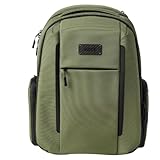
Overview: The Ridge Commuter Backpack positions itself as a security-focused daily carrier for urban professionals and travelers. Its 15-liter capacity strikes a balance between compact portability and functional storage, with dimensions of 18"x12"x6" that meet most personal item requirements for airlines.
What Makes It Stand Out: The integrated RFID-blocking pocket and shock-resistant laptop compartment address modern security and protection concerns head-on. Unlike many competitors, it includes a dedicated power bank holder with cable management, plus practical additions like a luggage strap and water bottle holder. The anti-theft design with durable zippers provides peace of mind in crowded environments.
Value for Money: While priced in the mid-to-premium range, the Ridge Commuter justifies its cost through specialized features that typically require purchasing separate accessories. Comparable backpacks with RFID protection and organized charging solutions often cost 20-30% more, making this a smart investment for commuters prioritizing security.
Strengths and Weaknesses: Strengths include excellent organization, robust security features, and travel-friendly sizing. The matte olive finish offers subtle style while masking wear. Weaknesses are the modest 15L capacity, which may prove limiting for those carrying bulky items, and the nylon material, which, while durable, lacks the premium feel of canvas or leather alternatives.
Bottom Line: Ideal for security-conscious commuters and light travelers who value organized, protected storage over maximum capacity. The Ridge Commuter delivers specialized features that earn its place as a reliable daily workhorse.
7. MARK RYDEN Slim Laptop Backpack for Men, High Tech Backpack with Scratch Resistant Shell and USB Charging Port, Waterproof Business Backpack Ideal for Working, Commuting, Daily
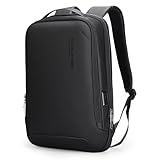
Overview: The MARK RYDEN Slim Laptop Backpack targets tech-savvy professionals seeking a streamlined carrying solution. Designed to accommodate laptops up to 15.6 inches, this backpack emphasizes comfort and durability for daily urban commutes.
What Makes It Stand Out: Genuine YKK zippers set it apart from budget alternatives, ensuring long-term reliability. The U-shaped three-dimensional ventilation system and breathable mesh shoulder straps demonstrate ergonomic consideration rarely seen at this price point. The scratch-resistant shell adds durability while maintaining a professional aesthetic.
Value for Money: Positioned as a mid-range option, this backpack punches above its weight with premium hardware and thoughtful design elements. The waterproof Oxford fabric and high-density nylon lining offer protection that competitors often charge more for, representing solid value for daily commuters.
Strengths and Weaknesses: Strengths include superior zipper quality, excellent ventilation, versatile storage compartments, and integrated USB charging convenience. The luggage strap enhances travel utility. Weaknesses include the ambiguous “scratch-resistant” claim that lacks specific certification, and the slim profile may not accommodate bulkier items or gym gear alongside work essentials.
Bottom Line: A reliable, well-engineered choice for professionals prioritizing comfort and durability. The MARK RYDEN backpack delivers premium features without premium pricing, making it a smart purchase for daily commuters.
8. Peak Design Everyday Backpack Zip 15L, Midnight, 270-Degree Zip, Dual Side Pockets, FlexFold Dividers, Fits 15" Laptop, For Camera Carry, Daily Commutes or Travel, Versatile Backpack for Men and Women

Overview: Peak Design’s Everyday Backpack Zip 15L represents the brand’s signature blend of photography-centric design and everyday functionality. This minimalist pack adapts seamlessly between camera gear transport and daily commuting.
What Makes It Stand Out: The FlexFold divider system offers unparalleled customization, transforming from camera compartment to open space in seconds. The 270-degree wraparound zipper provides exceptional access compared to traditional top-loading designs. Constructed from 100% recycled weatherproof 400D shell, it combines sustainability with serious protection.
Value for Money: Premium pricing reflects premium engineering. While significantly more expensive than standard commuter packs, the modular design effectively replaces multiple specialized bags. For photographers and creatives, the versatility justifies the investment; for casual users, the cost may be harder to rationalize.
Strengths and Weaknesses: Strengths include exceptional build quality, brilliant access design, expandable side pockets, and external carry straps for oversized items. The lifetime warranty adds long-term value. Weaknesses are the high price point and feature set that may exceed needs of non-photographers. The 15L capacity requires disciplined packing.
Bottom Line: Best suited for creatives and professionals who demand versatility and build quality. The Peak Design Everyday Backpack Zip is a purchase-for-life product that rewards those who leverage its full capabilities.
9. Muzee Slim Laptop Backpack for Men & Women, Leather Commuter Backpack, 15.6" Lightweight Waterproof Anti-Theft Daypack for Office & Casual Outings

Overview: The Muzee Slim Laptop Backpack distinguishes itself through remarkable lightweight construction at just 0.73kg, making it one of the lightest full-featured commuter packs available. Its leather-accented design bridges professional and casual aesthetics.
What Makes It Stand Out: The one-handed magnetic snap closure offers instant access unmatched by traditional buckles or zippers. U-shaped 3D back vents and wide mesh shoulder straps with sponge padding prioritize comfort during extended wear. The multi-layered organizer efficiently manages laptops up to 15.6 inches, tablets, and daily essentials.
Value for Money: Competitively priced within the lightweight backpack category, Muzee delivers premium comfort features without a premium cost. The waterproof PU and Oxford fabric construction provides protection typically found in more expensive models, representing excellent value for weight-conscious commuters.
Strengths and Weaknesses: Strengths include exceptional lightness, superior ventilation, effortless magnetic access, and versatile styling. The anti-theft back pocket adds security. Weaknesses involve potential durability concerns with the magnetic snap under heavy loads, and the leather accents may require maintenance to prevent cracking over time.
Bottom Line: Perfect for minimalists and commuters who prioritize weight savings and quick access. The Muzee backpack excels in comfort and convenience, making it ideal for those who value agility over maximum storage capacity.
10. VASCHY School Backpack, Unisex Slim Lightweight Water-resistant Minimalist Backpack for Men Women College Schoolbag Travel Bookbag Green

Overview: The VASCHY School Backpack offers a budget-conscious minimalist design that serves students and casual commuters. With 23 liters of capacity, it provides generous storage in a slim silhouette that belies its affordable price point.
What Makes It Stand Out: The impressive 23L capacity exceeds most competitors in the slim backpack category, accommodating textbooks and larger items with ease. Multiple interior zipper pockets and an exterior organizational panel offer unexpected versatility at this price level. The water-resistant polyester construction handles light rain adequately.
Value for Money: Exceptional value defines this backpack. It delivers core functionality—laptop protection, water resistance, and organized storage—at a fraction of premium brand prices. While materials and hardware are basic, the feature set rivals packs costing twice as much.
Strengths and Weaknesses: Strengths include spacious capacity, lightweight design, versatile pocket layout, and universal appeal for students and travelers. Weaknesses are the basic SBS zippers that may not match YKK longevity, simpler shoulder straps that lack advanced ergonomics, and polyester material that won’t develop character like canvas or leather.
Bottom Line: An outstanding choice for budget-minded students and casual users seeking reliable functionality without frills. The VASCHY backpack proves that practical design doesn’t require premium pricing, making it a sensible entry-level option.
What Defines a Minimalist Backpack in 2026?
Minimalism in 2026 transcends the visual language of clean lines and muted colors. Today’s authentic minimalist backpacks embody a design ethos where every element serves multiple purposes. We’re talking about purposeful subtraction—removing superfluous straps, reducing visual noise, and eliminating redundant pockets—while enhancing core functionality. The result is a silhouette that appears simple but conceals sophisticated engineering.
The defining characteristic is intentionality. Each zipper placement, fabric choice, and structural element exists because it solves a specific problem for daily commuters. Unlike their tactical or maximalist counterparts, these backpacks don’t announce themselves with excessive branding or external webbing. Instead, they blend seamlessly into professional environments while offering surprising versatility for weekend adventures.
Why Minimalist Backpacks Are Perfect for Modern Commuters
The daily commute presents a unique set of challenges that minimalist backpacks address with surgical precision. Weight distribution becomes paramount when you’re carrying your office for eight hours, and every ounce matters. These packs prioritize ergonomic load-bearing systems that work with your body’s natural movement rather than against it.
Furthermore, the psychological benefit of carrying less clutter cannot be overstated. When your backpack forces you to curate what you bring, you naturally become more organized and intentional about your daily essentials. This mental clarity extends beyond your commute into your workday, creating a ripple effect of productivity that maximalist bags simply cannot replicate.
Key Features to Look For
Material Innovations
The fabric landscape has transformed significantly heading into 2026. We’re seeing widespread adoption of bio-based nylons derived from castor beans, which offer exceptional abrasion resistance with a lower environmental footprint. These materials provide the durability of traditional ballistic nylon at a fraction of the carbon cost, making them ideal for commuters who prioritize sustainability without sacrificing performance.
Capacity and Size Considerations
The sweet spot for daily commuters typically falls between 18-25 liters, but capacity numbers only tell half the story. Internal compression systems and expandable collars allow these packs to adapt from streamlined daypacks to grocery-getters without compromising their silhouette. Look for bags that maintain their shape whether fully loaded or nearly empty—this structural integrity prevents sagging and maintains professional appearance throughout your journey.
Organization Without Clutter
The paradox of minimalist design lies in creating organization that doesn’t feel organized. Modern implementations include magnetic closure systems that eliminate visual hardware, floating internal pockets that move with your contents, and convertible dividers that adapt to your changing daily carry. The goal is having a place for everything without your bag resembling a filing cabinet.
Comfort and Ergonomics
Shoulder strap design has become increasingly sophisticated, with 3D-contoured padding that maps to your clavicle and trapezius muscles. The best designs incorporate load-lifter straps that subtly adjust the pack’s center of gravity as you move, preventing that dreaded shoulder pinch during extended wear. Sternum straps have evolved from clunky buckles to integrated elastic systems that provide stabilization without adding visual weight.
Weather Resistance
Waterproofing in 2026 goes beyond simple DWR coatings. We’re seeing laminated zippers that create complete seals, welded seams that eliminate stitch holes, and fabric weaves so tight they achieve IPX6 ratings without additional membranes. For commuters in unpredictable climates, this means your laptop stays dry even when you’re caught in an unexpected downpour during that five-block dash to the office.
Security Features
Minimalist aesthetics and security have found common ground through clever engineering. Hidden RFID-blocking pockets now reside behind back panels, accessible only when you remove the pack. Lockable zippers integrate seamlessly into seam lines, and cut-resistant fabrics woven with UHMWPE (Ultra-High-Molecular-Weight Polyethylene) threads provide peace of mind without the fortress-like appearance of traditional anti-theft bags.
Tech Integration
The modern commuter backpack must accommodate our digital lives without becoming a mobile electronics store. Wireless charging pockets with built-in Qi pads, cable management channels that disappear into the pack’s structure, and dedicated laptop compartments with TSA-friendly lay-flat designs represent the new baseline. Some advanced models even feature integrated power banks that charge via kinetic energy as you walk.
Sustainability Factors
Circular design principles have taken center stage. Look for backpacks with take-back programs where manufacturers recycle old packs into new ones, mono-material construction that simplifies end-of-life recycling, and carbon-negative production processes. The most forward-thinking brands now provide blockchain-verified supply chain transparency, allowing you to trace your bag’s journey from raw material to your shoulders.
Understanding Different Commuter Profiles
The Urban Professional
Your backpack needs to transition from bike lane to boardroom without missing a beat. Prioritize structured silhouettes that stand upright when set down, premium materials that develop character rather than wear out, and subtle colorways that complement business attire. The urban professional’s ideal pack features a quick-access top pocket for transit cards and a laptop compartment that opens clamshell-style for airport security.
The Hybrid Worker
Splitting time between home and office means your backpack becomes your mobile command center. Look for modular organization that adapts to different daily requirements—perhaps a camera cube on photography days, a lunchbox insert on office days, and a minimalist shell for coffee shop work sessions. The hybrid worker benefits most from bags with external water bottle pockets that tuck away when not in use, maintaining clean lines.
The Digital Nomad
For those whose office changes zip codes regularly, durability and versatility reign supreme. Your minimalist backpack should feature lockable zippers, a hidden passport pocket, and the ability to attach to rolling luggage. The digital nomad needs a pack that compresses down for carry-on compliance but expands to accommodate market finds and weekend excursions. Material choice becomes critical—opt for fabrics that resist stains and can be easily cleaned in hotel sinks.
The Student Commuter
Balancing textbooks, tech, and maybe a change of clothes for the gym requires intelligent space utilization. Student-focused minimalist backpacks emphasize vertical storage to accommodate binders and laptops simultaneously, reinforced bottom panels that survive being tossed around lecture halls, and external attachment points for helmets or yoga mats. The key is maintaining a low profile that doesn’t scream “student” while providing the capacity to handle academic demands.
Material Deep Dive: What You Need to Know
Recycled Fabrics
Post-consumer recycled PET has matured beyond its early crunchy, less-durable iterations. Modern recycling processes break plastic down to the molecular level, rebuilding it into fibers that match virgin nylon in performance. These fabrics often feature proprietary weaves that increase tear strength while reducing weight, making them ideal for minimalist designs where every gram counts.
Technical Materials
CORDURA® re/cor™ and similar fabrics represent the pinnacle of recycled performance textiles. These materials offer exceptional abrasion resistance—often exceeding 4,000 cycles in Martindale testing—while incorporating stretch properties that allow the pack to move with you. For commuters facing varied weather, look for fabrics with inherent water resistance rather than coatings that degrade over time.
Leather and Vegan Alternatives
While full-grain leather maintains its premium status, the vegan leather revolution has produced remarkable alternatives. Mushroom-based mycelium leather offers similar patina development and durability without animal products, while pineapple leaf fibers create textured surfaces that age beautifully. These materials appeal to commuters seeking timeless aesthetics with modern ethics.
The Anatomy of Minimalist Design
Hidden Pockets
The art of concealment defines modern minimalist backpacks. Back panel pockets accessible only when wearing the pack provide secure storage for valuables. Seam-integrated pockets along the sides offer stash spots for keys and cards without breaking the visual plane. The best designs use pattern engineering rather than add-on pockets, creating storage that feels native to the bag’s structure.
Clean Aesthetics
Visual quietness comes from reducing hardware. Magnetic Fidlock closures replace traditional buckles, laser-cut fabric eliminates binding tape, and bonded seams remove topstitching. This reduction in parts not only creates a cleaner look but also decreases failure points—a backpack with fewer components has fewer things to break.
Modularity
The most versatile minimalist backpacks embrace a “buy what you need” philosophy. Base packs provide the foundation, while add-ons like tech pouches, water bottle holders, and waist belts attach via hidden rails or magnetic systems. This approach lets you maintain minimalist aesthetics while scaling functionality for different commute types.
Price vs. Value: Making Smart Investments
The minimalist backpack market spans from $50 to $500+, but price doesn’t always correlate with value. Premium pricing typically reflects material costs—UHMWPE fabrics and waterproof zippers add significant expense—rather than brand markup. When evaluating cost, consider cost-per-use: a $300 backpack that lasts five years costs less per commute than a $100 bag replaced annually.
Warranty policies reveal true manufacturer confidence. Lifetime warranties against defects, repair programs that extend product life, and transparent pricing for replacement parts indicate brands committed to long-term value. The most economical choice often isn’t the cheapest upfront—it’s the pack you’ll use for years without wanting to replace.
Care and Maintenance Tips
Extending your backpack’s life requires minimal but consistent care. Spot clean with mild soap rather than machine washing, which degrades laminates and waterproofing. Store uncompressed in a dry place to maintain foam loft in shoulder straps. For waxed canvas or leather, annual conditioning prevents cracking and maintains water resistance.
Inspect high-stress areas monthly: zipper pulls, seam intersections, and strap attachment points. Catching a loose thread early prevents catastrophic failure during your commute. Many manufacturers offer free repair clinics or sell field-repair kits—carrying a small tube of Seam Grip and spare zipper pulls can save your day.
Common Mistakes to Avoid
The biggest pitfall is choosing form over function. A backpack that looks stunning but lacks proper laptop protection or comfortable straps will gather dust in your closet. Similarly, avoid over-compartmentalization—too many pockets contradict minimalist principles and make finding items harder.
Don’t underestimate the importance of proper fit. A 25-liter pack on a 5'2" frame creates a different silhouette than on a 6'0" commuter. Many brands now offer torso-size adjustments or multiple size options within the same model. Test weight distribution with your actual daily carry before committing.
Future Trends in Minimalist Backpack Design
Looking beyond 2026, we’re seeing early adoption of shape-memory alloys in frame sheets that adapt to your spine’s curvature, biodegradable hardware made from plant-based polymers, and even integration with smart city infrastructure—imagine your backpack automatically paying transit fares or unlocking bike shares. The line between apparel and gear continues to blur, with backpacks featuring temperature-regulating fabrics originally developed for athletic wear.
Frequently Asked Questions
What’s the ideal capacity for a daily commuter minimalist backpack?
For most commuters, 20-25 liters provides the sweet spot—enough room for a laptop, lunch, change of clothes, and daily essentials without encouraging overpacking. If you commute primarily by public transit and carry minimal tech, 15-18 liters may suffice. Those with hybrid schedules who transport more gear should consider 25-30 liters with compression straps to maintain a low profile.
How do I know if a minimalist backpack will be comfortable for long commutes?
Look for articulated shoulder straps that curve naturally around your shoulders, a sternum strap that adjusts vertically to your torso length, and a back panel with lumbar support. Many premium brands now offer virtual fit tools using your phone’s camera. If possible, test the pack loaded with 10-15% of your body weight for at least 30 minutes to identify pressure points before purchasing.
Are waterproof minimalist backpacks worth the extra cost?
For commuters in climates with frequent rain or those carrying expensive electronics, absolutely. True waterproofing (IPX6+ rating) requires welded seams and laminated zippers that add 20-40% to manufacturing costs. However, this protection extends your pack’s lifespan and safeguards your gear. In dry climates, a water-resistant pack with a quality rain cover offers more versatility at lower cost.
How can I maintain a minimalist aesthetic while needing to carry a lot?
Focus on internal organization and compression systems. Choose a bag with a structured silhouette that maintains its shape when full, and utilize packing cubes to create order inside. External attachment points that tuck away when unused let you carry extras like a jacket or yoga mat without permanent visual clutter. The key is selecting a pack designed to expand gracefully rather than bulging unpredictably.
What materials offer the best durability-to-weight ratio for minimalist backpacks?
Ultra-high-molecular-weight polyethylene (UHMWPE) blended with nylon provides exceptional tear and abrasion resistance at minimal weight. These fabrics often achieve 200+ denier performance at sub-100 denier weights. For non-technical aesthetics, waxed canvas and full-grain leather offer decades of patina development, though they add weight. Recycled polyester has also matured significantly, now rivaling virgin materials in strength.
How often should I replace my minimalist backpack?
A quality minimalist backpack should last 5-10 years with proper care. Replace it when structural elements fail—broken zipper teeth, delaminating fabric, or compressed shoulder foam that no longer rebounds. Cosmetic wear like scuffs or faded fabric doesn’t impact function and often adds character. Many premium brands offer lifetime warranties and repair services that can extend this timeline indefinitely.
Can minimalist backpacks accommodate gym clothes and work gear simultaneously?
Yes, many designs feature ventilated compartments or separate shoe pockets that maintain the clean exterior. Look for bags with clamshell openings that let you pack in organized layers—work items near the back panel, gym clothes in a removable pouch, and shoes in a ventilated sleeve. The key is choosing a pack with 22-25 liter capacity and internal dividers rather than external pockets.
What’s the difference between minimalist and ultralight backpacks?
While both emphasize weight reduction, ultralight packs sacrifice durability and features to achieve sub-pound weights, often using paper-thin materials. Minimalist backpacks maintain robust construction and full functionality while eliminating visual and structural redundancy. Think of ultralight as “stripped down” and minimalist as “thoughtfully refined”—the former serves specialized hiking, the latter serves complex urban commuting.
How do I clean my minimalist backpack without damaging it?
Empty all pockets and shake out debris. Spot clean with a soft brush and mild detergent solution, focusing on heavily soiled areas. For deeper cleaning, hand wash in a bathtub with lukewarm water and tech wash designed for outdoor gear. Never machine wash or dry, as agitation damages laminates and heat melts adhesives. Air dry completely, stuffing with towels to maintain shape, and reapply DWR coating annually if needed.
Will a minimalist backpack still look professional in formal office settings?
Absolutely. The key is selecting premium materials like full-grain leather, waxed canvas, or matte-finish technical fabrics in neutral colors (black, charcoal, navy). Avoid packs with visible external branding, bright accent colors, or hiking-inspired features like trekking pole attachments. Many designs now incorporate briefcase-style carrying options and structured silhouettes that complement business attire while maintaining ergonomic benefits.
See Also
- 10 Best Value Minimalist Backpacks for Daily Commutes in 2026
- 10 Essential Minimalist Backpacks Every Urban Commuter Needs in 2026
- 2026’s Top 10 Minimalist Backpacks for Daily Errands
- 10 Backpacks That Solve Clutter for Minimalist Men in 2026
- 10 Best Budget Minimalist Backpacks Under $50 for Urban Commuters