Table of Contents
Top 10 Insulated Work Boots For Cold
Detailed Product Reviews
1. Carhartt Men’s FX6393-M Force HD 6" Waterproof Insulated Composite Toe Work Boot, Dark Brown - 11 Wide

Overview: The Carhartt Force HD 6" boot targets professionals needing reliable cold-weather protection without sacrificing safety or comfort. Designed for demanding jobsites, it blends ASTM-certified safety features with Carhartt’s durability focus. What Makes It Stand Out: Its standout feature is the lightweight composite toe (non-metallic and non-conductive), combined with 400g 3M Thinsulate insulation and the Storm Defender waterproof membrane. The podiatrist-designed Insite footbed delivers exceptional arch support and cushioning, a rarity in work boots at this price point, ensuring all-day wearability. Value for Money: Priced competitively within the premium work boot segment, it offers excellent value. The composite toe avoids airport scanner hassles, the insulation is sufficient for most winter conditions, and Carhartt’s reputation for longevity justifies the cost compared to cheaper alternatives that often compromise on safety or comfort. Strengths and Weaknesses: Strengths: Lightweight composite safety toe, exceptional all-day comfort from the footbed, reliable waterproofing, and strong slip resistance. Weaknesses: 400g insulation may be insufficient for extreme cold, and the dark brown color shows scuffs readily. The wide fit is excellent for some but may be too roomy for average feet. Bottom Line: An outstanding choice for workers in moderate cold needing comfort and safety without metal detection issues. Highly recommended for construction, logistics, or warehouse roles where all-day foot fatigue is a concern.
2. Carhartt Men’s CMC1259 10" Waterproof Insulated Comp Toe Pac Boot,Brown/Black,8 M US

Overview: This Carhartt pac boot delivers serious cold-weather protection in a taller 10-inch profile, ideal for deep snow, slush, or prolonged exposure to wet, freezing conditions faced by outdoor laborers. What Makes It Stand Out: The 1000g LiteFire aluminum-based insulation is the key differentiator, reflecting body heat for superior warmth without excessive bulk or weight—outperforming traditional Thinsulate at similar weights. The combination of oil-tanned leather and abrasion-resistant PU coating enhances durability in rugged environments. Value for Money: While commanding a premium price, the LiteFire technology and extended height provide significant value for those working in severe cold. It outperforms many competitors with standard heavy insulation, offering more warmth per ounce and better mobility, making it a cost-effective investment for winter-specific roles. Strengths and Weaknesses: Strengths: Exceptional warmth-to-weight ratio with LiteFire, robust waterproofing via Storm Defender, durable multi-material upper, and excellent traction. Weaknesses: The 10-inch height can feel cumbersome for non-snow tasks, and the break-in period may be stiffer than lower-cut boots. Less versatile for milder conditions. Bottom Line: A top-tier choice for winter utility, logging, or snow removal where extreme cold protection is non-negotiable. Highly recommended if your work involves deep snow or sub-zero temperatures for extended periods.
3. Rubber Work Boots with 800g Insulation, Puncture-Proof Steel Toe & Shank, Waterproof and Insulated 6mm Neoprene Hunting Boots for Farming, Construction, Fishing, and Manufacturing (Black, Size 11)
 & Shank, Waterproof and Insulated 6mm Neoprene Hunting Boots for Farming, Construction, Fishing, and Manufacturing (Black, Size 11)](https://m.media-amazon.com/images/I/41cAF3Gp+oL._SL160_.jpg)
Overview: This versatile rubber work boot prioritizes maximum protection and warmth for wet, hazardous environments like fishing, farming, and heavy construction, featuring a steel toe and substantial insulation. What Makes It Stand Out: The combination of 800g Thinsulate Ultra insulation, 7mm neoprene lining, and a full puncture-proof 1100N midsole layer is exceptional. The seamless rubber shell offers superior waterproofing compared to leather boots, making it ideal for constant immersion in water or mud. Value for Money: Positioned as a budget-friendly heavy-duty option, it offers remarkable protection per dollar. The steel toe and puncture resistance meet critical safety needs at a lower cost than many branded alternatives, though long-term durability may not match premium leather boots. Strengths and Weaknesses: Strengths: Unbeatable waterproofing for wet work, extreme warmth with 800g insulation, comprehensive puncture/impact protection, and aggressive non-slip tread. Weaknesses: Bulky and less breathable for dry conditions, heavier than composite-toe boots, and the fit/finish may lack the refinement of established brands. Bottom Line: An excellent, high-protection value pick for wet, cold, and hazardous jobs like fishing, farming, or chemical handling. Recommended if immersion waterproofing and puncture resistance are your top priorities over weight or all-day comfort on dry ground.
4. Men’s Waterproof Orthotic Winter Work Boots, Extreme Cold Protection, Non-Slip Durable Sole, All-Day Comfort Insulated Boots (Blue, M, Adult, Men, 11, Numeric, US Footwear Size System, Medium)

Overview: These boots focus intensely on cold-weather comfort and foot health, featuring orthotic-grade support and heavy insulation aimed at workers enduring long hours in freezing temperatures. What Makes It Stand Out: The integrated orthotic footbed is the key highlight, providing medical-grade arch support and cushioning rarely found in standard work boots. Combined with extreme cold protection (implied by sub-zero claims) and a wide-fit design, it targets users prone to foot fatigue or conditions like plantar fasciitis. Value for Money: Offers strong value for those needing orthotic support, potentially eliminating the need for custom insoles. The focus on comfort justifies the price for workers with foot issues, though the unusual blue color and generic branding may raise questions about long-term durability versus established work boot brands. Strengths and Weaknesses: Strengths: Superior orthotic comfort for all-day wear, effective waterproofing, excellent traction on ice, and generous fit preventing toe pinching. Weaknesses: Blue color is atypical and may not meet some workplace dress codes, insulation specifics are vague (e.g., grams), and ruggedness may lag behind leather/composite competitors. Bottom Line: Highly recommended for workers in cold climates who prioritize foot health and comfort above all else, especially those with existing foot pain. Ideal for delivery drivers, utility workers, or warehouse staff on concrete floors in winter.
5. ROCKY Blizzard Stalker Steel Toe Waterproof 1200G Insulated Work Boot, Brown, Size 10(MEN)

Overview: The Rocky Blizzard Stalker is a dedicated cold-weather hunting and work boot emphasizing maximum warmth and electrical hazard protection in snowy or wet environments. What Makes It Stand Out: Its defining feature is the massive 1200g insulation, among the highest available, designed for extreme sub-zero conditions. The removable mesh PU footbed with TPU heel stabilizer enhances comfort and support during long treks, while the rubber vamp boosts durability in wet brush. Value for Money: Represents solid value for specialized extreme-cold use. The 1200g warmth level is hard to find elsewhere without significant bulk; Rocky delivers it in a relatively streamlined package. It’s a cost-effective solution for hunters or utility workers facing bitter cold, though overkill for milder winters. Strengths and Weaknesses: Strengths: Unmatched warmth for severe cold, reliable waterproofing, strong electrical hazard protection, and good traction. Removable footbed aids drying and customization. Weaknesses: Heavy due to insulation, limited breathability in milder temps, and the steel toe adds weight versus composite alternatives. Nylon shank offers less torsional rigidity than steel. Bottom Line: The go-to boot for Arctic temperatures or extended stationary outdoor work in deep cold. Recommended for hunters, trappers, or winter utility crews where warmth is the absolute priority, accepting the trade-off in weight.
6. Kamik Nation Plus Snow Boot - Waterproof Boots for Men - 8mm Liner - Traction Outsole & Winter Shoes - Insulated Work Boots for Men - 40°F Cold Weather Protection - Dark Brown - 12

Overview: The Kamik Nation Plus is a rugged, eco-conscious snow boot designed for moderate winter conditions, targeting outdoor workers and enthusiasts needing reliable dryness and warmth down to 40°F. Built with sustainability in mind, it emphasizes practical cold-weather functionality over extreme sub-zero protection. What Makes It Stand Out: Its standout features are the 8mm Thermal Guard liner made from recycled materials and the lightweight, recyclable RubberHe shell. The adjustable midfoot strap ensures a secure fit on uneven terrain, while the high-traction outsole excels on snow and ice. Over 125 years of North American craftsmanship reinforces its durable, sustainable ethos. Value for Money: Priced mid-range, it offers excellent value for those prioritizing eco-friendly materials and solid performance in typical winter climates (not extreme cold). It undercuts premium brands while matching or exceeding their waterproofing and traction, though the 40°F rating limits its utility in severe freezes compared to pricier insulated alternatives. Strengths and Weaknesses: Strengths: Exceptional eco-credentials, lightweight yet durable construction, superb snow/ice traction, adjustable fit, and strong waterproofing. Weaknesses: Limited to 40°F protection (insufficient for deep winter), recycled liner may compress over time, and the nylon upper, while waterproof, lacks the abrasion resistance of full leather work boots. Bottom Line: Ideal for eco-minded users facing wet snow and slush in mild to moderate cold, the Nation Plus delivers reliable dryness, comfort, and traction at a fair price. Avoid for sub-zero work; choose it for sustainable, everyday winter adventures.
7. ANGRYRAM Winter Steel Toe Boots for Men Comfortable Slip Resistant Puncture Resistant Work Boot Indestructive Construction Work Shoes Warm Faux Fur Snow Boots

Overview: ANGRYRAM’s 6-inch winter safety boot merges heavy-duty protection with cold-weather readiness, specifically engineered for construction and industrial sites in freezing conditions. It features critical safety certifications alongside insulation for harsh environments. What Makes It Stand Out: The combination of ASTM F2413-18 certified steel toe protection, a puncture-resistant midsole, and a warm faux fur lining within a splash-proof aerospace synthetic leather upper is exceptional. The 6-inch height provides crucial ankle support and elemental defense, making it a true all-in-one solution for hazardous, icy job sites. Value for Money: Positioned as a premium safety boot, its price is justified by the comprehensive protection suite (impact, compression, puncture, cold). It competes favorably against specialized cold-weather safety boots, eliminating the need for separate thermal liners or overboots, though casual users may find it over-engineered. Strengths and Weaknesses: Strengths: Unmatched safety features (steel toe, puncture proof), excellent cold retention via faux fur lining, durable water-resistant upper, and stable lace-up design. Weaknesses: “Indestructible” claim is overstated (synthetics can tear), faux fur may retain moisture, and the bulkiness sacrifices agility for non-safety-critical tasks. Bottom Line: A top-tier choice for workers needing certified safety and serious cold protection on icy sites. Its robust build justifies the cost for professionals, but its weight and focus on safety make it less versatile for general winter use.
8. Carhartt Men’s CMF8389 8" Rugged Flex Waterproof Insulated Comp Toe Boot, Dark Brown - 11 W

Overview: Carhartt’s CMF8389 is a dependable 8-inch composite toe work boot built for cold, wet job sites, blending classic Carhartt durability with modern safety and insulation features for全天候 reliability. What Makes It Stand Out: The non-metallic composite toe (meets ASTM 2413-24) offers safety without conductivity, crucial for electrical work or extreme temps. Paired with Storm Defender waterproofing, 400g Thinsulate insulation, and the slip-resistant Rugged Flex outsole with ladder lock grooves, it excels in wet, cold, and elevated work environments. Value for Money: Carhartt’s reputation for longevity makes this a strong investment. While not the cheapest insulated safety boot, its durable construction, reliable waterproofing, and versatile 400g insulation (effective for most winter conditions) offer superior long-term value versus disposable alternatives. Strengths and Weaknesses: Strengths: Lightweight composite safety toe, excellent waterproofing/breathability balance, optimal mid-level insulation, rugged slip-resistant sole, and proven Carhartt durability. Weaknesses: 400g insulation may fall short in deep freezes, break-in period can be stiff, and the 8" height might feel cumbersome for non-construction tasks. Bottom Line: A highly recommended, no-nonsense work boot for tradespeople facing cold, wet conditions. Its safety compliance, comfort, and enduring quality deliver outstanding value for professionals needing reliable, all-day protection.
9. Busy Socks Winter Warm Thermal Socks for Men Women Extra Thick Insulated Heated Crew Boot Socks for Extreme Cold Weather, Medium, 1 Pair Black
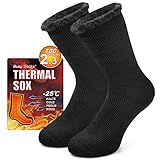
Overview: Busy Socks offers extra-thick thermal crew socks marketed for extreme cold, targeting outdoor enthusiasts and workers needing supplemental foot warmth under boots during winter activities. What Makes It Stand Out: Despite the misleading “heated” label (no actual heating elements), the heavily brushed, fuzzy interior lining provides exceptional insulation by trapping air. Its versatility stands out—it’s designed for multiple uses (hiking, work, lounging) and fits a broad size range, making it a practical cold-weather essential. Value for Money: At a low price per pair, it offers excellent value for basic thermal boosting. While not a standalone solution for extreme cold, its thickness and softness outperform standard wool socks at a fraction of premium thermal sock costs, especially considering its multi-scenario usability. Strengths and Weaknesses: Strengths: Very warm and soft interior, highly versatile (work, sports, home), unisex sizing, great gift potential, and affordable. Weaknesses: “Heated” is inaccurate marketing; thickness may require larger shoe sizes; durability concerns with heavy abrasion; single-pair packaging inflates long-term cost. Bottom Line: A cost-effective, cozy thermal sock perfect for adding warmth under boots in cold weather or as comfortable loungewear. Manage expectations—it’s insulated, not heated—but its comfort and value make it a worthwhile seasonal staple.
10. EARFORU Men’s Waterproof Orthotic Winter Work Boots, Extreme Cold Protection, Non-slip Durable Sole, All-Day Comfort Insulated (Black, 0, Adult, Men, 10, Numeric, US Footwear Size System, Wide)

Overview: The EARFORU boot prioritizes comfort and warmth for workers in wet, cold conditions, featuring orthotic support and claimed “extreme cold” protection in a wide-fitting, waterproof design. What Makes It Stand Out: Its focus on orthotic-level cushioning and wide-fit comfort distinguishes it, targeting those with foot pain or wider feet. The seam-sealed waterproof construction and high-traction sole address common winter hazards, while the super-insulated lining promises sub-zero warmth—key for all-day wear. Value for Money: Positioned affordably, it delivers solid value for comfort seekers needing basic waterproofing and moderate cold protection. It undercuts premium comfort/work hybrids but lacks the safety certifications (e.g., steel toe) or extreme temp ratings of higher-end models, making it best for light-duty use. Strengths and Weaknesses: Strengths: Exceptional arch support and cushioning, true wide fit comfort, reliable waterproofing, strong grip on ice, and very warm lining. Weaknesses: “Extreme cold/sub-zero” claims are vague and unverified; not safety-rated (no ASTM toe protection); durability of synthetic materials may lag behind leather boots. Bottom Line: A strong pick for comfort-focused users in wet, cold conditions without heavy safety requirements. Its orthotic support and warmth justify the price for light work or daily winter wear, but avoid for hazardous job sites needing certified protection.
Conquering the Cold: Why Your Work Boots Are Non-Negotiable Safety Gear
Picture this: it’s 5 AM, the thermometer reads -20°F (-29°C), and your worksite is a frozen landscape. Your breath hangs in the air, tools feel like ice cubes, and the wind cuts through layers you thought were sufficient. Now, imagine your feet – the foundation of your entire operation – slowly turning numb. In cold-weather jobs, from utility line work on a blustery ridge to construction in a deep freeze, your boots aren’t just footwear; they’re your primary defense against debilitating cold stress, frostbite, and a critical component of your overall safety protocol. Choosing poorly isn’t just uncomfortable; it’s a direct threat to your health, productivity, and even your job security when dexterity fails. The stakes have never been higher, especially as industries push operations into increasingly extreme winter conditions.
Gone are the days when “warm” meant stuffing extra socks into ill-fitting, soggy boots. Modern insulated work boots are sophisticated pieces of engineering, blending advanced thermal science, safety standards, and ergonomic design. Yet, navigating the sea of claims – “400g Thinsulate,” “aerogel lining,” “sub-zero rated” – can be overwhelming. What truly matters when your toes are on the line? This guide cuts through the marketing hype, focusing on the fundamental principles, critical features, and often-overlooked considerations you must evaluate to find the insulated work boot that doesn’t just survive the cold, but empowers you to excel in it. It’s time to treat your foot protection with the same seriousness as your hard hat.
Understanding the Core Challenge: Cold, Moisture, and Movement
The Physics of Foot Warmth: It’s Not Just About Insulation
Warmth isn’t generated by insulation alone; insulation traps the heat your body produces. Your feet generate significant heat through activity, but cold surfaces (like metal decks or frozen ground) and wind rapidly conduct that heat away. Effective cold-weather boots create a microclimate by combining insulation to slow heat loss, a moisture barrier to prevent evaporative cooling (sweat is your enemy!), and materials that minimize conductive heat loss through the sole. Understanding this triad – heat retention, moisture management, and thermal conductivity – is the bedrock of choosing wisely.
The Silent Saboteur: Moisture Management
Sweaty feet in freezing conditions are a recipe for disaster. Moisture drastically accelerates heat loss through evaporation and conduction. A truly effective cold-weather boot must excel at both keeping external water (snow, slush, puddles) out and allowing internal moisture (sweat vapor) to escape. Waterproof membranes like Gore-Tex or proprietary equivalents are essential, but breathability is equally crucial. Boots that trap sweat become cold, clammy, and significantly less insulating over time. Look for boots emphasizing “breathable waterproofing” – it’s non-negotiable for active work.
Movement Matters: Insulation Needs Vary by Job
A welder standing relatively still near a heat source has vastly different thermal needs than a snowplow driver constantly shoveling or a lineman climbing frozen structures. High-activity jobs generate more heat, requiring less bulky insulation and superior breathability to avoid overheating and sweating. Low-activity or stationary jobs demand maximum insulation to combat prolonged exposure with minimal body heat generation. Matching the insulation level and breathability profile to your specific work demands is critical for sustained comfort and safety.
Decoding Insulation: Beyond the Gram Count
Types of Insulation: Materials and Their Real-World Performance
Polyester-based insulations (like Thinsulate™ in various weights) remain popular for their balance of warmth, compressibility, and moisture resistance. Aerogel, an ultra-lightweight, highly efficient insulator often used in aerospace, is making serious inroads, offering exceptional warmth in incredibly thin layers – ideal for maintaining dexterity. Felt linings provide traditional warmth but can be bulky and lose effectiveness when damp. Natural fibers like wool offer good breathability and some moisture-wicking but generally lack the consistent, high-level protection of synthetics in extreme wet/cold. Understanding the pros and cons of each material type is key.
Insulation Weight: What Those Gram Numbers Really Mean
“200g,” “400g,” “800g” – these numbers refer to the weight of the insulation per square yard. Higher grams generally mean more warmth, but it’s not linear, and material efficiency varies wildly. Crucially, the placement matters: boots with insulation concentrated only in the upper (around the ankle/calf) but not the footbed/sole offer significantly less protection than those with full-wrap insulation. A “400g” boot with poor sole insulation will feel much colder than a well-designed “200g” boot with strategic insulation throughout. Don’t get fixated solely on the number; consider the distribution and type.
The Sole is Your Foundation: Critical Underfoot Insulation
This is where many boots fall short. Thin, conductive rubber soles act like a heat sink, rapidly drawing warmth away from your feet into the frozen ground. Look for boots featuring substantial, insulated midsoles or outsoles. Technologies like dual-density EVA foams (where the inner layer is less dense and more insulating), specialized rubber compounds blended with insulating materials, or even removable thermal insoles are vital. Your sole insulation is arguably as important as the upper insulation when standing on ice or metal.
Fit and Function: Where Comfort Meets Safety
The Non-Negotiable: Proper Fit for Cold Conditions
Cold causes feet to swell slightly, and you’ll likely wear thicker socks. Boots that fit perfectly in summer will be painfully tight in winter. You need ample room – particularly in the toe box – for your foot to maintain circulation without cramming toes together (which reduces warmth). However, excessive heel slippage is dangerous on ladders or uneven terrain. The ideal fit allows wiggle room for toes, snug (not tight) heel hold, and enough vertical space for a thermal sock without pressure points. Never size down for a “snug” cold-weather fit; poor circulation is a fast track to cold feet and frostnip.
Sock Synergy: The System Approach
Your boot is only half the equation. The right thermal sock system is essential. Merino wool blends are the gold standard for base layers – they wick moisture superbly, retain warmth even when damp, and resist odor. Avoid 100% cotton at all costs; it absorbs moisture and loses insulating properties. Consider a thin moisture-wicking liner sock under a medium-weight merino sock for optimal performance. The combination of boot fit and sock choice creates the microclimate that keeps you warm and dry.
Ankle Support and Stability: Safety in Ice and Snow
Slippery, uneven surfaces demand exceptional ankle support. High-top boots (6-8+ inches) are generally superior for cold weather, providing more insulation coverage and crucial stability on ice, snow, and debris. However, the design must allow for necessary movement without restricting circulation. Look for padded collars and supportive heel counters that lock the foot securely without pinching. Sacrificing support for maximum warmth is a dangerous trade-off on hazardous winter job sites.
Safety Standards: Your Legal and Physical Lifeline
Meeting the Mandate: ASTM F2413 and Beyond
In the US, ASTM F2413 is the baseline safety standard for protective footwear. For cold-weather work, ensure the boot meets at least the impact (I) and compression (C) ratings required for your job. Crucially, look for the Electrical Hazard (EH) rating – cold, dry conditions increase static electricity risk, and EH-rated soles provide a secondary path to ground, reducing shock hazard near live circuits. Some industries or sites may require Static Dissipative (SD) or Conductive (CD) ratings instead; know your specific requirements.
Puncture Resistance: Hidden Hazards Underfoot
Frozen ground can hide sharp debris, ice shards, or metal fragments. A puncture-resistant midsole (often denoted as PR in ASTM ratings) is highly recommended for most outdoor cold-weather jobs. This thin, flexible layer (usually steel, alloy, or composite) sits between the insole and outsole, protecting your foot from sharp objects penetrating upward – a risk amplified when walking on snow-covered, potentially hazardous terrain.
Slip Resistance: Traction is Survival
The most insulating boot is useless if you’re lying on your back. Look for aggressive, deep-lugged outsole patterns specifically designed for ice and snow. Rubber compounds formulated for cold temperatures (often labeled “winter compound” or “ice grip”) remain flexible and provide superior traction where standard rubber hardens and becomes slick. Features like ice studs or specialized lugs (e.g., Michelin® Winter Traction Technology) significantly enhance grip on sheer ice. Test the outsole pattern – it should aggressively bite, not just slide.
Durability and Longevity: Built for the Long Winter
Materials Matter: Uppers That Withstand the Elements
Full-grain leather remains the durability king for cold-weather boots, offering excellent water resistance (especially when treated), breathability, and longevity. However, modern synthetic uppers (like nylon or polyester with heavy-duty coatings) can offer lighter weight, faster drying times, and lower cost. Consider your environment: leather excels in rugged, abrasive settings, while synthetics might be preferable for wetter conditions where quicker drying is needed. Avoid thin, flimsy materials that won’t resist scuffs, punctures, or prolonged moisture exposure.
Waterproofing Integrity: Seams and Construction
Waterproofing isn’t just about the membrane. How the boot is constructed is critical. Look for features like:
- Seam Sealing: Taped or liquid-sealed internal seams prevent water ingress through stitching holes.
- Gusseted Tongues: Prevent snow and slush from pouring into the top of the boot.
- Rugged Toe and Heel Caps: Reinforced rubber or leather protect high-wear areas and maintain shape.
- Quality Welt Construction: Goodyear or similar welted boots often offer better waterproofing and are more easily resoled, extending lifespan significantly compared to cement-constructed boots.
Maintenance: Preserving Your Investment
Even the best boots degrade without care. Regular cleaning to remove salt, grime, and moisture is essential. Use conditioners specifically designed for the boot’s upper material (leather conditioner, synthetic protectant) to maintain flexibility and water resistance. Reapply waterproofing treatments as needed, especially after heavy use or cleaning. Proper drying (never direct heat!) prevents material breakdown and mold/mildew. Investing time in maintenance drastically extends the life and performance of your cold-weather footwear.
Future-Forward Features: What’s Emerging for 2026
Smart Thermal Regulation: Beyond Passive Insulation
Look for advancements in materials that actively respond to conditions. Phase-change materials (PCMs) embedded in linings can absorb excess heat when you’re active and release it when you’re stationary, stabilizing foot temperature. While still emerging, these technologies promise a significant leap beyond static insulation levels.
Enhanced Breathability Technologies
Manufacturers are continuously refining waterproof/breathable membranes and boot constructions to maximize moisture vapor transfer rates (MVTR). Higher MVTR means sweat escapes faster, keeping feet drier and warmer during exertion. Expect to see more boots boasting significantly improved breathability metrics without sacrificing waterproof integrity.
Sustainable Insulation Solutions
Environmental consciousness is driving innovation. Recycled polyester insulations are becoming standard, and research into bio-based aerogels or other high-performance natural/synthetic hybrids is accelerating. Expect to see more “eco-conscious” high-performance insulation options prominently featured in 2026 models.
The Investment Mindset: Cost vs. True Value
Beyond the Price Tag: Calculating Your ROI
Viewing insulated work boots as a disposable expense is a dangerous fallacy. Consider the true cost of inadequate footwear: lost productivity due to discomfort, increased risk of injury (slips, frostbite), potential medical costs, and the downtime of replacing boots prematurely. A high-quality, well-chosen pair that lasts 2-3 seasons often represents a far better investment than cheap boots replaced annually. Factor in resoleability – a key indicator of long-term value.
Prioritizing Your Non-Negotiables
Your budget is real, but so are your safety needs. Be ruthless in prioritizing the essential features for your specific job: if you work on live electrical components in freezing temps, EH rating and superior insulation are non-negotiable, even at a higher price. If you’re primarily shoveling snow, supreme traction and waterproofing might take precedence. Identify your top 3-5 critical requirements before comparing price points.
Frequently Asked Questions
Frequently Asked Questions
Can I just wear my regular winter boots for work in the cold? Generally, no. Regular winter boots lack the critical safety features mandated for most job sites (like ASTM-rated toe protection, electrical hazard protection, or puncture resistance) and often don’t provide the consistent, high-level waterproofing and insulation engineering required for prolonged, demanding work in extreme cold. Safety standards exist for a reason.
How do I know if the insulation level is right for my job? Consider your activity level and expected temperatures. For high-activity jobs (constant movement) in moderately cold temps (-10°F to 30°F), 200g-400g insulation with high breathability is often ideal. For low-activity/stationary work or extreme cold (below -20°F), 600g-800g+ with maximum coverage (including sole) is usually necessary. When in doubt, slightly over-insulate; you can always vent with socks, but you can’t add warmth if you’re under-insulated.
Why do my insulated boots sometimes feel colder after a few hours? This is almost always due to moisture buildup from sweat. If the boot lacks sufficient breathability, sweat saturates your socks and the insulation, drastically reducing its effectiveness and causing evaporative cooling. Ensure you have a proper moisture-wicking sock system and consider a boot with a higher breathability rating (MVTR) if this is a recurring issue.
Are steel toes too cold in freezing weather? Modern composite safety toes (made from fiberglass, plastic, or carbon fiber) are generally less conductive than steel and feel less cold against the foot in extreme conditions. However, high-quality steel-toe boots with ample internal insulation padding around the toe cap are still very effective and meet stringent safety standards. The difference is often minimal compared to the overall insulation package of the boot.
How important is the boot’s weight in cold weather? Weight is a trade-off. Heavier boots often contain more insulation and robust materials, offering superior warmth and durability. Lighter boots enhance agility and reduce fatigue, especially during long shifts or high-activity work. Prioritize the warmth and safety features you need first, then seek the lightest option that delivers them. Modern materials (aerogel, advanced synthetics) are helping reduce weight without sacrificing protection.
Can I wear orthotics in insulated work boots? Yes, but fit is paramount. Insulated boots often have removable footbeds (insoles) to accommodate orthotics. When trying on, always bring your orthotics and wear the thermal socks you plan to use. You’ll likely need a slightly larger size or wider width to fit everything comfortably without compromising circulation or the boot’s internal insulation structure.
How often should I replace my insulated work boots? There’s no fixed timeline; it depends on usage and maintenance. Replace them when: the outsole is significantly worn (losing traction), the upper is cracked or no longer waterproof, the insulation feels permanently compressed (less warm), the safety toe is compromised, or the fit is ruined due to wear. Regular maintenance (cleaning, conditioning, reproofing) significantly extends their useful life. Don’t wait for a catastrophic failure.
Do waterproof boots need additional waterproofing treatment? Yes, absolutely. While the membrane provides the core barrier, the leather or synthetic upper material itself needs protection. Regular application of a conditioner (for leather) or a specific waterproofing spray (for synthetics or leather) helps maintain the material’s water resistance, flexibility, and overall longevity. This is especially crucial after exposure to salt or heavy moisture.
Is more insulation always better for extreme cold? Not necessarily. Excessive insulation in a boot not designed for it can restrict movement, cause overheating and sweating during activity (leading to dampness and ultimately colder feet), and reduce dexterity. The right amount of insulation, properly distributed (especially in the sole), combined with excellent waterproofing and breathability, is far more effective than simply maxing out the gram count in a poorly engineered boot.
How can I dry my boots quickly and safely after a wet day? Never place boots near direct heat sources (radiators, heaters, fireplaces) – this cracks leather, melts adhesives, and warps the shape. Remove insoles and laces. Stuff boots loosely with clean, absorbent paper towels or bamboo charcoal packets (which also absorb odor/moisture). Place them in a well-ventilated area at room temperature. Using a specialized boot dryer that circulates gentle, cool air is the safest and most effective method for thorough drying.
See Also
- The 10 Best Insulated Work Boots for Cold Weather in 2026
- The 10 Best Insulated Work Boots for Winter Jobs in 2026
- The Complete Guide to the 10 Best Insulated Work Boots for Cold Climates
- 10 Expert-Recommended Insulated Work Boots for Cold Storage Workers in 2026
- 10 Best Budget Insulated Work Boots Under $100 for Mechanics